
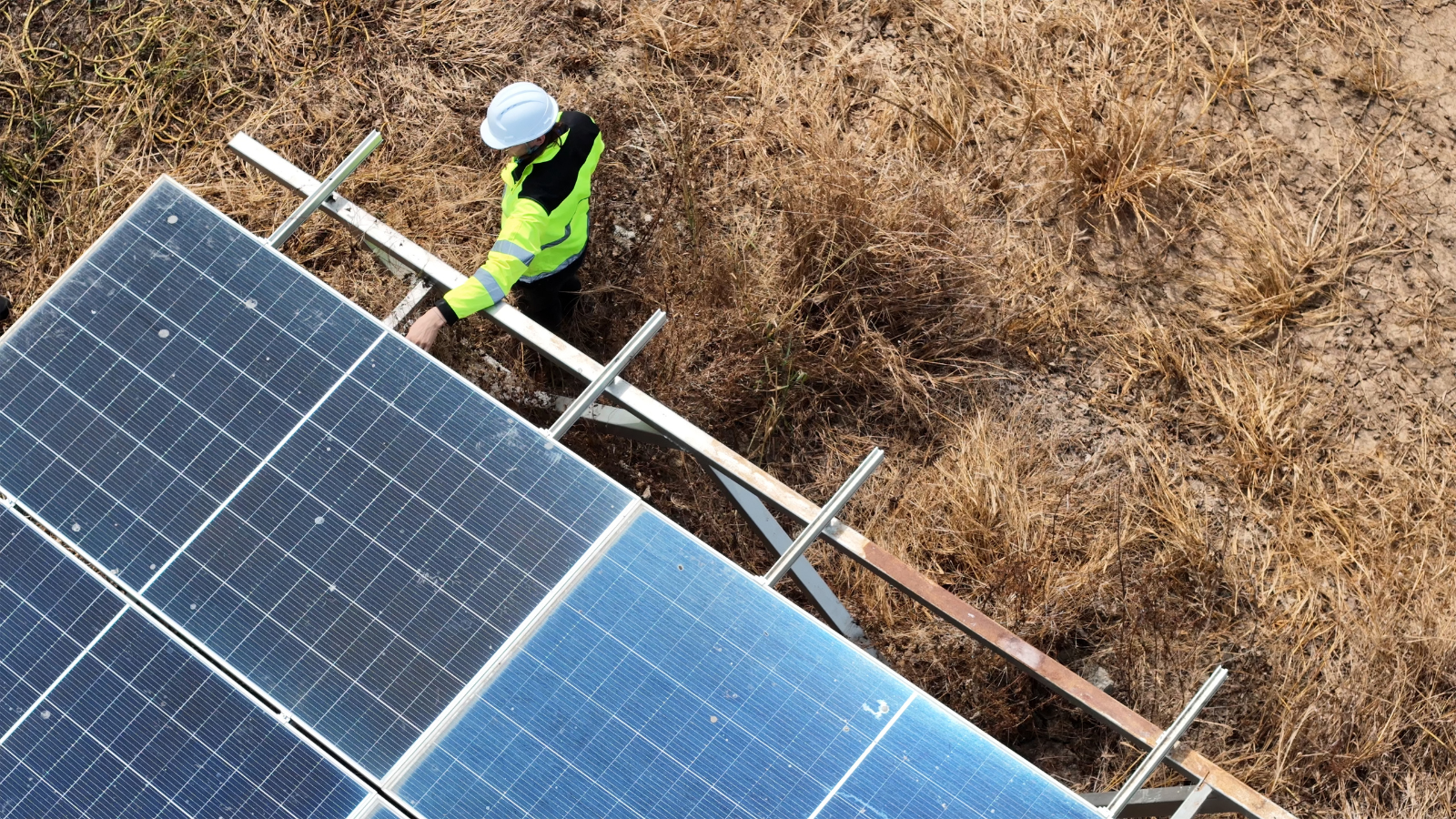
St. Kitts and Nevis has launched a competitive tender for a major solar and battery energy storage project, marking an important step in the Federation’s efforts to reduce reliance on imported fuel and strengthen energy security.
The St. Kitts Electricity Company Ltd. (SKELEC) announced the launch of the Request for Proposals for the Basseterre Valley 50MW Solar PV and 30.5MW/30.5MWh Battery Energy Storage System project. The utility said the project is intended to modernise the country’s energy sector and support the transition toward a more sustainable power system.
According to SKELEC, the tender follows formal Cabinet approval and the completion of a 12-month due diligence process that assessed the project’s technical, financial, economic and legal readiness. Advisory support was provided by Castalia, ILF Consulting Engineers, GIDE and Merchant Law.
SKELEC General Manager Clement Williams said the launch of the RFP represents another milestone in advancing the Federation’s energy transition in a transparent and structured way. He said the initiative is expected to strengthen energy security, reduce dependence on imported fuels and accelerate progress toward the country’s 2030 renewable energy targets under its Nationally Determined Contributions.
Minister of Public Infrastructure, Energy and Utilities Konris Maynard described the project as a defining step in the transformation of the energy future of St. Kitts and Nevis. He said the project is historic not only because of its scale, but because it represents a shift toward greater energy independence and sustainability.
The Basseterre Valley project is expected to combine utility-scale solar generation with battery storage, allowing renewable electricity to be stored and dispatched when needed. This is particularly important for island grids, where solar power can help reduce fuel imports, but storage is needed to manage intermittency and improve grid stability.
PV Magazine reported that the project would be St. Kitts’ first utility-scale solar-plus-storage development. The publication also noted that St. Kitts and Nevis had 5MW of cumulative solar capacity at the end of last year, based on figures from the International Renewable Energy Agency. If completed at the proposed scale, the Basseterre Valley project would represent a significant expansion of the country’s installed solar capacity.
The project also reflects a broader trend across the Caribbean, where governments and utilities are seeking to increase renewable energy generation while reducing exposure to imported fuel costs. For many small island developing states, fuel imports remain a major source of electricity price volatility and foreign exchange pressure.
By pairing solar generation with battery storage, St. Kitts and Nevis is seeking to build a more resilient electricity system while supporting its climate and energy targets. The battery component will be central to the project’s value, as it can help smooth fluctuations in solar output and support more reliable integration of renewable energy into the national grid.
SKELEC has invited interested developers to register through its online bidding portal to receive the tender package. Local contractors and investors have also been invited to register their interest in participating in the project.
While the project remains at the procurement stage, its launch signals growing momentum behind renewable energy investment in the Eastern Caribbean. For St. Kitts and Nevis, the Basseterre Valley development could become a key part of the country’s long-term strategy to lower fuel dependence, improve energy security and build a cleaner power system.