Transocean has announced plans to acquire Valaris in an all-stock transaction valued at approximately US$5.8 billion. The deal will create one of the world’s largest and most diversified offshore drilling contractors and reflects accelerating consolidation in the offshore drilling sector as companies position themselves for increased deepwater and ultra-deepwater activity.
Under the terms of agreement, Valaris shareholders will receive 15.235 Transocean shares for each Valaris share held. Upon completion, Transocean shareholders are expected to own approximately 53% of the combined company, with Valaris shareholders holding the remaining 47%. The transaction has been approved by both boards and is expected to close in the second half of 2026, subject to regulatory and shareholder approvals.
Once completed, the combined Transocean–Valaris fleet will comprise approximately 73 offshore drilling rigs, including 33 ultra-deepwater drillships, 9 semisubmersibles and 31 modern jackups. The enlarged fleet is expected to enhance operational flexibility and strengthen the company’s ability to compete for technically complex offshore projects across multiple regions.
According to statements from the companies, the acquisition is expected to generate more than US$200 million in cost synergies while strengthening cash flow and improving balance-sheet resilience over time. Valaris’ exposure to the jackup market, which typically offers steadier utilisation, is expected to complement Transocean’s established strength in ultra-deepwater drilling, resulting in a more balanced offshore portfolio.
The transaction is particularly relevant to Trinidad and Tobago, where offshore drilling contractors such as Transocean and Valaris have historically played a significant role in offshore exploration and development activity.
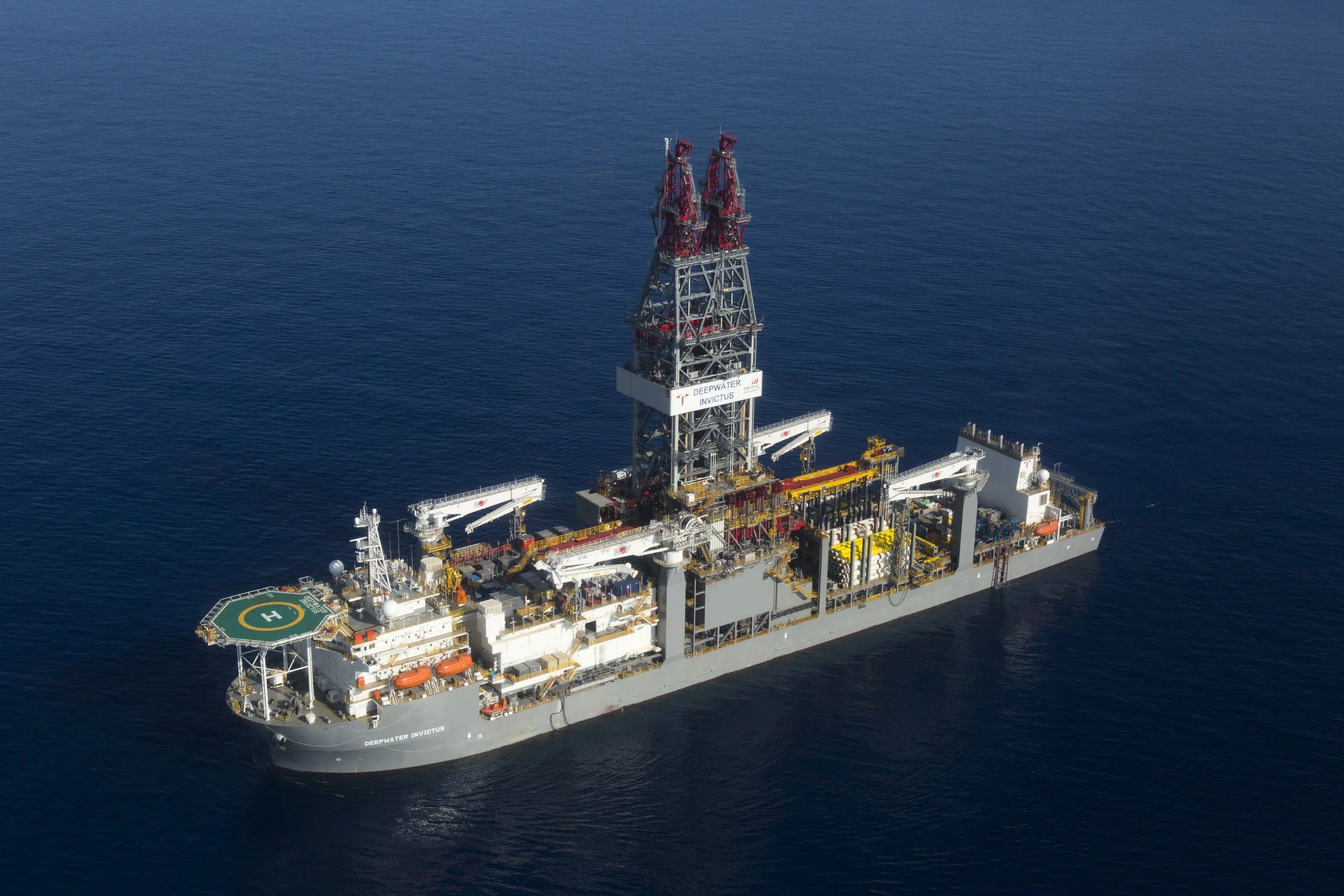
High-specification drillships operated by Transocean have previously been deployed offshore Trinidad, including the Transocean Invictus, which was used during a deepwater drilling campaign. Valaris has also maintained a direct operational presence in Trinidad through the mobilisation of its jackup fleet. Several operators have used Valaris rigs in T&T in recent years, including bpTT, EOG and Perenco.
While the transaction does not signal any immediate changes to offshore activity in Trinidad and Tobago, it highlights broader trends shaping the global offshore industry. As consolidation continues and contractors prioritise scale, efficiency and high-specification assets, the structure of the global drilling fleet will remain an important factor influencing how offshore exploration and development projects are executed in the Caribbean region.