
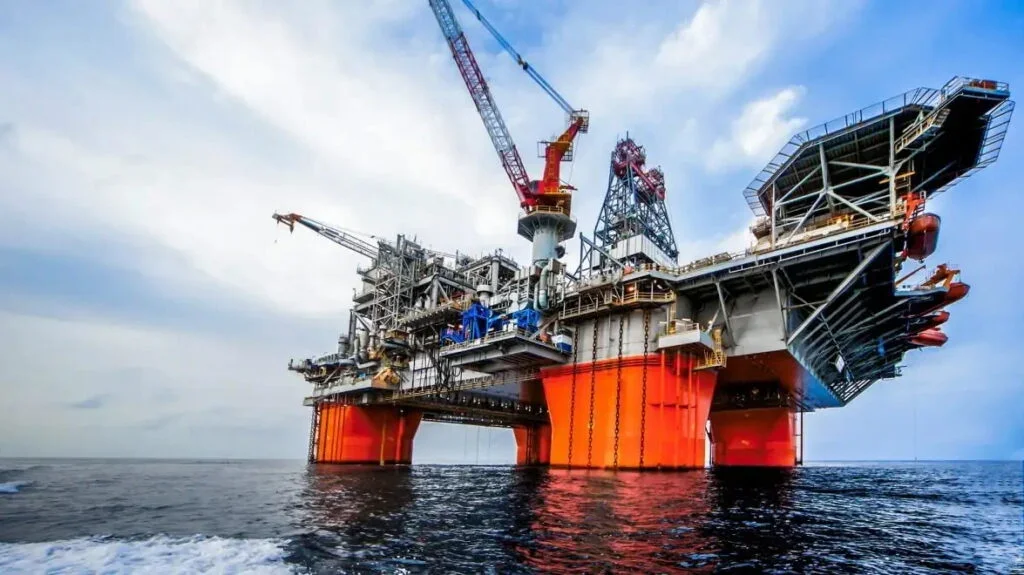
UK-headquartered energy major BP and its U.S.-based partner ExxonMobil have reached a final investment decision (FID) to enhance production at the Thunder Horse offshore platform in the U.S. Gulf through a new subsea pump development.
The strategic investment is expected to add approximately 15,000 barrels of oil equivalent per day (boepd) to the platform's peak gross annual average production. Based on the current development schedule, first oil from the enhancement is targeted for 2028.
BP, which operates Thunder Horse, its largest oil and gas production platform in the region, views the subsea pump as a highly cost-efficient solution. The company noted that the new infrastructure will deliver production levels comparable to drilling up to two new wells. Furthermore, it will reduce pressure across existing wells, ultimately extending the operational lifespan of the Thunder Horse facility.
“Enabled by close collaboration with our Thunder Horse co-owner, ExxonMobil, the subsea pump is a high-priority development to deliver production at the platform by embracing industry solutions,” said Project Manager Joseph Scattergood. “It takes everyone’s commitment to safety, collaboration, quality, and capital productivity to deliver these projects successfully.”
The Thunder Horse installation marks the first application of a proven technological approach that BP plans to replicate in future offshore developments. Similar subsea pumping systems are already slated for the upcoming Kaskida and Tiber projects, which are expected to begin production in 2029 and 2030, respectively.
According to the operator, technology plays a pivotal role in maximizing production and unlocking greater value from existing offshore assets. Subsea pumps are installed directly on the seafloor as a fully integrated part of the subsea production system. By artificially boosting the flow of hydrocarbons from the reservoir, the pumps transport oil and gas more efficiently from the wellbore to the surface platform. Ultimately, this technology captures more of the available underground reserves while sustaining increased production over the long-term life of the field.