The Energy Chamber of Trinidad and Tobago acknowledges the announcement by the Office of the United States Trade Representative (USTR) confirming Trinidad and Tobago's placement in the lowest tariff bracket, 10 percent, following the conclusion of the Section 301 investigation into forced labour enforcement among 60 of the United States' largest trading partners.
The Energy Chamber further welcomes confirmation that several of Trinidad and Tobago’s key energy exports have been granted exemptions under the revised tariff schedule, including crude oil, LNG, methanol, ammonia and a range of fertilizer products. Given that more than 95 percent of Trinidad and Tobago’s exports to the United States are concentrated in a small number of energy-related commodities, this outcome, achieved through sustained engagement between the Government of Trinidad and Tobago and US officials, provides important relief for the country’s energy sector. Iron and steel products remain subject to verification against the applicable HTS classifications.
While the Energy Chamber recognises the relief this outcome provides, it cautions against viewing the matter as fully settled. The 10 percent tariff, though the lowest available under the review, is applied on top of an already competitive global market for petrochemicals and fertilizers. Domestic US producers remain untouched by the tariff, and exporters from certain other jurisdictions may continue to benefit from separate trade arrangements. This creates a real risk that Trinidad and Tobago-produced commodities become comparatively less competitive in the US market over time, even at the reduced rate.
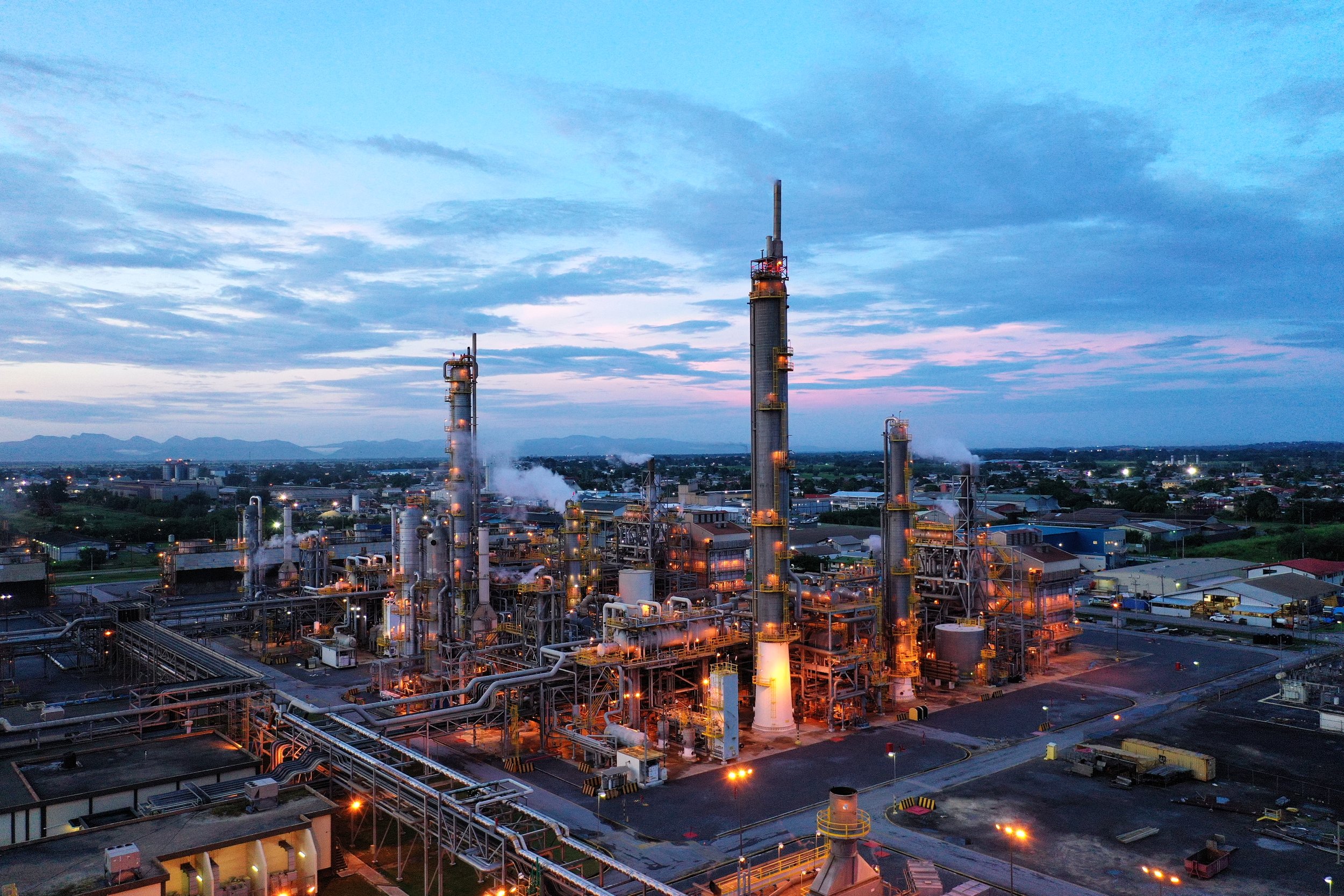
This comes against a backdrop the Energy Chamber has flagged previously, Trinidad and Tobago's petrochemical sector was built on the strength of low-cost, readily available natural gas. That structural advantage has narrowed in recent years, and external cost pressures such as these tariffs add to an already tightening margin environment for producers at Point Lisas.
The Energy Chamber commends the Government's multipronged negotiation strategy, which has already reduced the applicable rate from 15 percent to 10 percent, and encourages the continuation of this engagement to pursue further relief, particularly on any commodity, specific rates that remain above the general 10 percent threshold.
At the same time, the Energy Chamber believes this underscores the importance of strengthening domestic competitiveness in parallel with external trade diplomacy. This includes ensuring stable and competitively priced natural gas feedstock for petrochemical operations, improving ease of doing business, and accelerating diversification into new areas such as hydrogen and renewable energy, so that the sector is less exposed to shifts in external trade policy outside Trinidad and Tobago's control.
The Chamber remains ready to support Government and its member companies in navigating this evolving trade environment.