Guyana is developing a dedicated emergency response contingency plan for its gas-to-energy project as the country prepares to bring one of its largest energy infrastructure investments into operation.
Prime Minister Mark Phillips announced the initiative during the launch of the 14th Caribbean Conference on Comprehensive Disaster Management, stating that a gas-to-energy emergency response plan is currently being developed as part of broader efforts to strengthen disaster preparedness and protect critical infrastructure.
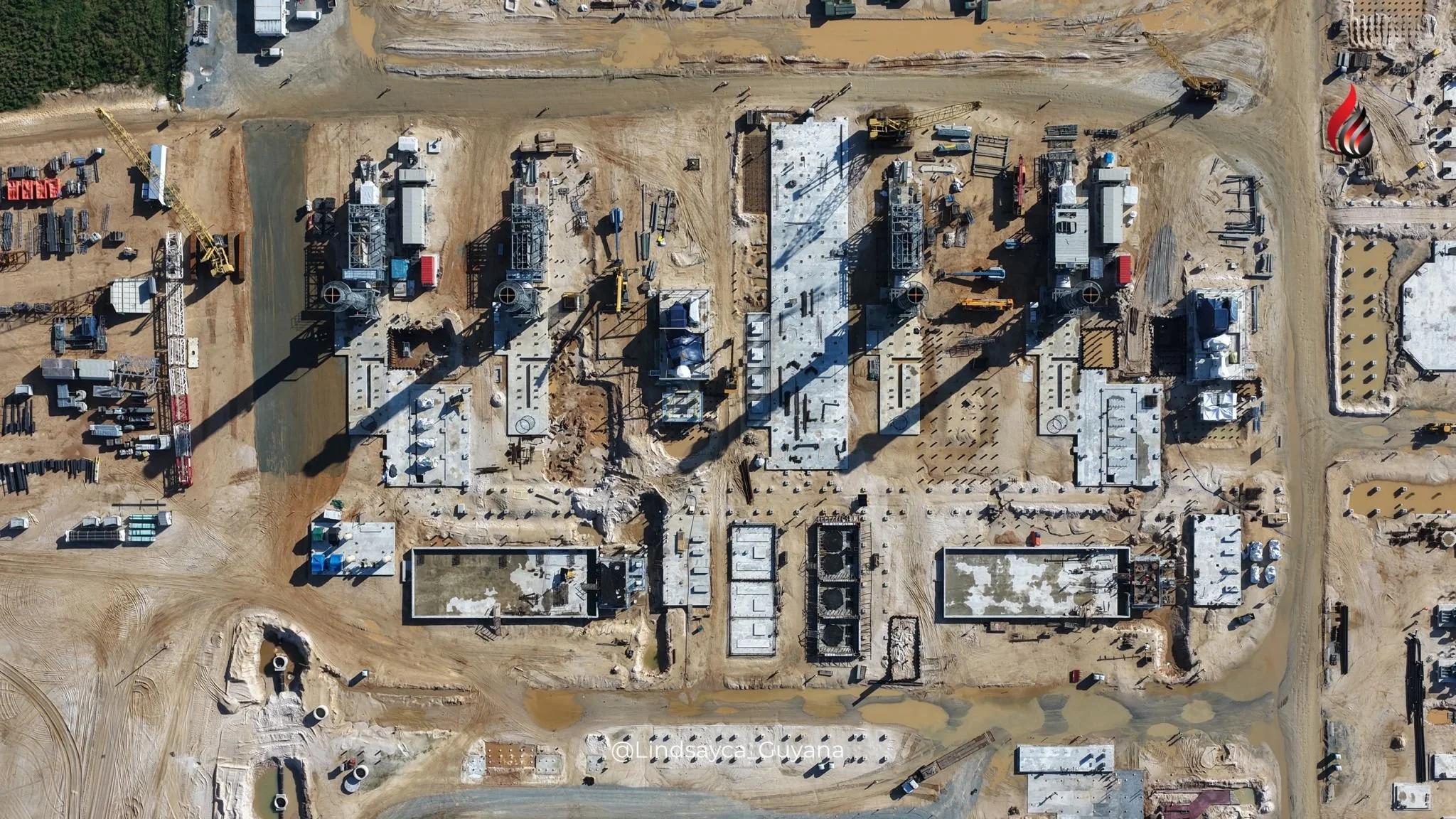
The gas-to-energy project is designed to transport natural gas from the ExxonMobil-operated Stabroek Block to an integrated facility at Wales on the West Bank of Demerara. The project includes a natural gas liquids (NGL) plant, a 300-megawatt power station and associated transmission infrastructure.
According to the Guyana government, the project is expected to reduce electricity generation costs, improve reliability of supply and support the production of natural gas liquids for domestic and industrial use. The first phase will utilize gas from the Liza field, with approximately 50 million cubic feet of gas per day expected to be delivered through a subsea pipeline to the Wales facility.
Speaking at the event, Phillips said Guyana’s growing economy and expanding energy sector require stronger systems to manage potential risks and emergencies.
“As we build new infrastructure and expand our energy capacity, the task of protecting those assets and the communities around them grows every year,” he said, according to reporting by bnamericas.
Additional details on the emergency planning effort were provided by Director-General of the Civil Defence Commission (CDC), Colonel (Ret’d) Nazrul Hussain. He indicated that the contingency plan will be finalized after the power generation and natural gas liquids facilities are completed and operational risks can be fully assessed.
According to Hussain, the assessment will examine scenarios including damage to pipelines, turbines and other key equipment within the integrated facility. He also noted that Phoenix Park Gas Processors Limited (PPGPL), which has been selected alongside GuyGas Inc. for operations and maintenance discussions related to the NGL plant, is expected to participate in developing the emergency response framework.
The contingency plan forms part of a wider effort by Guyana to strengthen emergency preparedness as major energy projects move closer to completion. The government has also announced plans to bring new emergency response facilities into operation at Lethem and Mahdia and continue implementing legislation related to oil pollution prevention, preparedness and response.
Construction of the gas-to-energy project has advanced steadily over the past year. The power plant is expected to begin supplying electricity in stages, with the first gas turbine targeted to come online by the end of 2026 and full commissioning expected during the first quarter of 2027.
As Guyana’s energy sector continues to expand, the development of project-specific emergency response systems reflects increasing attention to operational resilience alongside the construction of new infrastructure.