
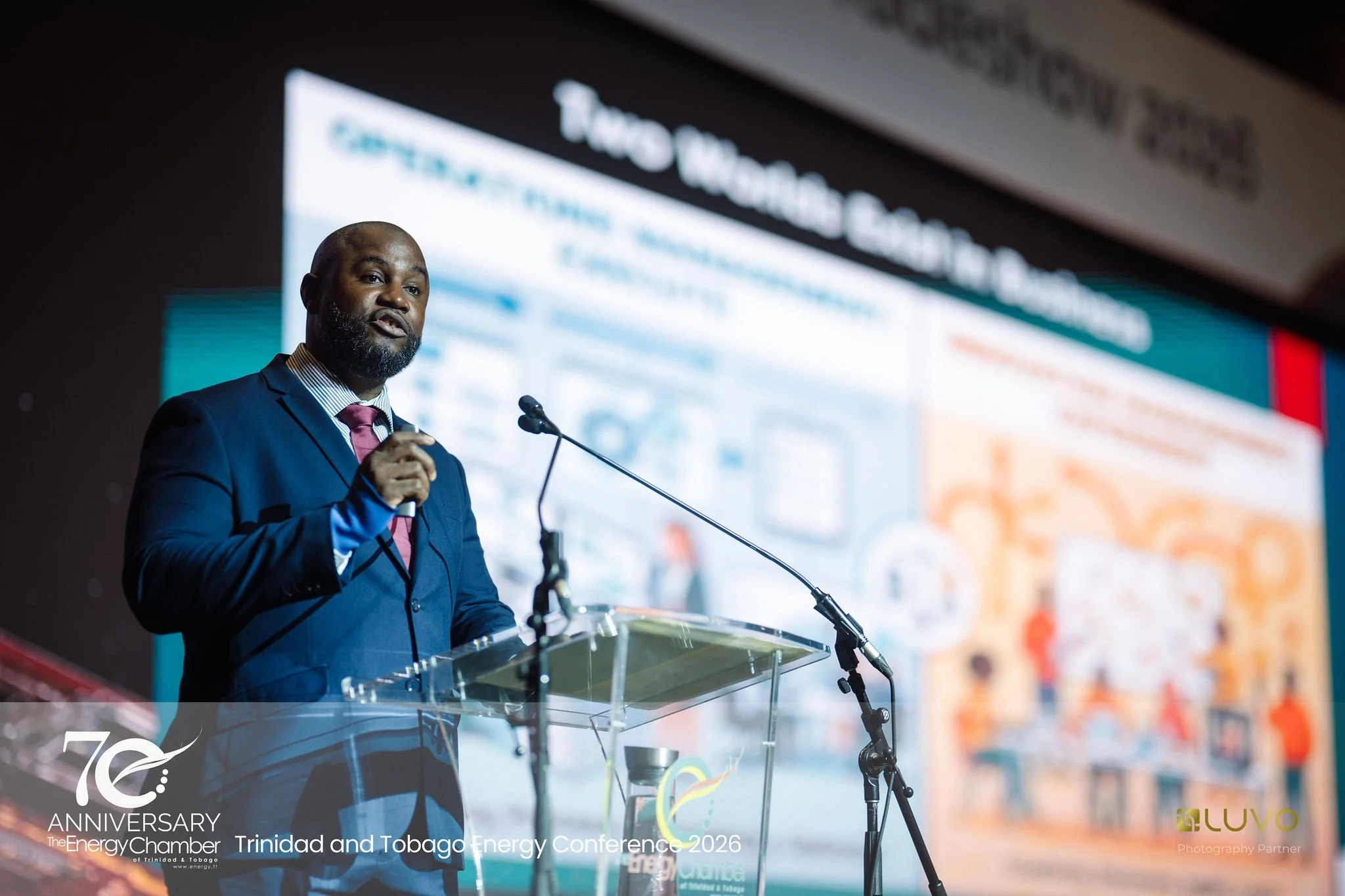
By Emerson John-Charles
A C-suite executive recently shared this with me, and it reflects a frustration felt by senior managers not only across Trinidad and Tobago, but around the world.
The 2024 Boston Consulting Group Most Innovative Companies report highlights this gap: while 83% of executives say innovation is a top priority, only 3% feel confident in their ability to deliver it. The urgency is even greater when we consider Accenture’s Global Disruption Index, which shows that economic, technological, geopolitical, and social disruptions have surged by 200% over the past five years. Innovation has never been more critical, but too many organizations remain unprepared to translate ambition into action.
Culture eats Innovation for Breakfast
The paradox of innovation is that while radical ideas are essential for breaking new ground, they require a mindset, philosophy, and set of processes that often make executives uneasy. Striking the right balance is difficult; leaders must allow enough freedom for novel ideas to emerge and promising pilots to develop, without exposing the organization to excessive risk.
Creating dedicated teams or empowering individuals to challenge norms, push boundaries, and explore unconventional ideas inevitably generates tension. When these innovators develop something that disrupts established ways of working, the corporate immune system kicks in which often unintentionally stifling breakthrough innovations.
Although these “antibodies” act with the best intentions, i.e. aiming to protect the organization from perceived risks, they frequently suppress transformative progress. As a result, potential growth engines are shut down before they have a chance to take root.
Rise of an International Innovation Standard
This problem occurred in other countries and in attempting to remedy it, it led to the development of the new discipline of innovation management. In 2013, the leading experts in this field came together which resulted in the world’s first requirement standard for innovation in September 2024. The ISO 56001 provides a comprehensive framework for managing innovation and I am proud to announce that the Trinidad and Tobago Bureau of Standards has taken the ground breaking step to adopt it as our national innovation standard. Thus far, we are the only Caribbean country to do so.
Local Success Stories in Innovation Management
Fortunately, leading firms, such as Agostini Group and Carib Brewery Ltd. have already established dedicated innovation departments, driving transformative change in their industries. As pioneers in structured innovation, they serve as local benchmarks, showcasing the tangible benefits of a formalized approach to innovation management.
Agostini Group’s Innovation Lab has spearheaded initiatives such as an agricultural project aimed at increasing import substitution and expanding exports for VEMCO. They also launched an internal challenge to generate high-impact ideas, resulting in a robust innovation pipeline. Their commitment to innovation has paid off—reporting a profit applicable to shareholders of $313 million in 2023, a 64% increase over the prior year.
Similarly, Carib Brewery has embraced innovation with the introduction of augmented reality labels, new product flavors, and a cutting-edge smart manufacturing line (Line 7). This smart factory has optimized operations by freeing up two additional production lines, an advantage that will likely support Carib Beer’s highly anticipated launch in India later this year.
Meanwhile, Ramps Logistics continues to push the boundaries of innovation. Their Innovation Manager secured first place at the 2025 T&T Energy Conference’s Innovation and Technology Challenge with Mawi—a generative AI solution revolutionizing customs brokerage. Already making waves in the U.S. market, Mawi exemplifies the power of innovation in driving competitive advantage.
Why Other Firms Can’t Wait
Other firms, such as National Energy Corporation, have the opportunity to further strengthen their innovation capabilities by adopting ISO 56001 best practices. Doing so can unlock numerous benefits, including greater efficiency, stronger brand recognition, new revenue streams, and enhanced responsiveness to customer demands.
By fostering a culture of structured innovation, Trinidad and Tobago can position itself as agile, competitive and ready to navigate the disruptions of the Fourth Industrial Revolution.
Breaking Innovation Myths
So, after reviewing the five aspects of innovation leadership outlined in ISO 56001, your top management team appoints you as the innovation manager. Excited about the opportunity, you set out to build a system that continuously transforms your firm’s ideas into new products, services, and processes. However, the journey is not without challenges. Deeply ingrained innovation myths create resistance, making it essential to shift mindsets and foster a culture that embraces change.
Innovation does not always begin with a visionary founder in a small start-up; it can happen in a fifty-year-old company. It does not only sprout in technology-oriented companies; it can happen in companies that cut and shape wood for their main business. It does not have to create a whole new industry; it can happen in companies that just want to grow their businesses.
As an innovation manager, you must recognize that building innovation capabilities is a marathon, not a sprint. Your organization will be watching closely to assess whether the innovation management system delivers tangible value.
Building Credibility and Success
In the early stages, some may acknowledge that innovation management sounds promising and works well in other countries but argue that Trinidad and Tobago is different. Despite this skepticism, taking a structured, step-by-step approach is essential for building credibility. Focus on achieving quick wins to demonstrate early success and ensure that innovation initiatives align with the company’s overall strategy.
While pursuing ISO 56001 certification can differentiate your organization as a leader in innovation, the true measure of success lies in developing new growth engines. These engines should drive adaptability, agility, and resilience—allowing your company to expand market share, achieve sustainable growth, and compete effectively in foreign markets.
Innovation as a National Imperative
Innovation is no longer optional; it is essential for the future of our nation. By managing innovation effectively, we can reduce reliance on the energy sector, ease pension pressures, tackle graduate underemployment, curb brain drain, expand access to foreign exchange, and address persistent crime. The prosperity, stability, and global competitiveness of Trinidad and Tobago depend on making innovation the foundation of everything we do. Our future cannot wait; innovation must lead the way.