
According to the EIA, the benchmark natural gas spot price at the Henry Hub is projected to decrease by approximately 2% to just under $3.50 per million British thermal units (MMBtu) in 2026, before rising sharply in 2027 to nearly $4.60/ MMBtu. The annual average price is expected to dip slightly in 2026 as annual supply growth keeps pace with demand. However, for 2027, the EIA forecasts that demand growth will outpace supply, driven primarily by increased feed gas demand from U.S. liquefied natural gas (LNG) export facilities. This shift is expected to reduce natural gas in storage and put upward pressure on prices.
Specifically, forecast supply growth exceeds demand by 0.5 billion cubic feet per day (Bcf/d) in 2026, but falls behind by 1.6 Bcf/d in 2027. The EIA also anticipates that 2026 demand (including exports) will increase by less than 1% (+0.6 Bcf/d), while supply (including imports) will rise by nearly 1% (+1.1 Bcf/d). This balance reverses in 2027, with demand growth (+2.5 Bcf/d) significantly exceeding supply growth (+0.9 Bcf/d).
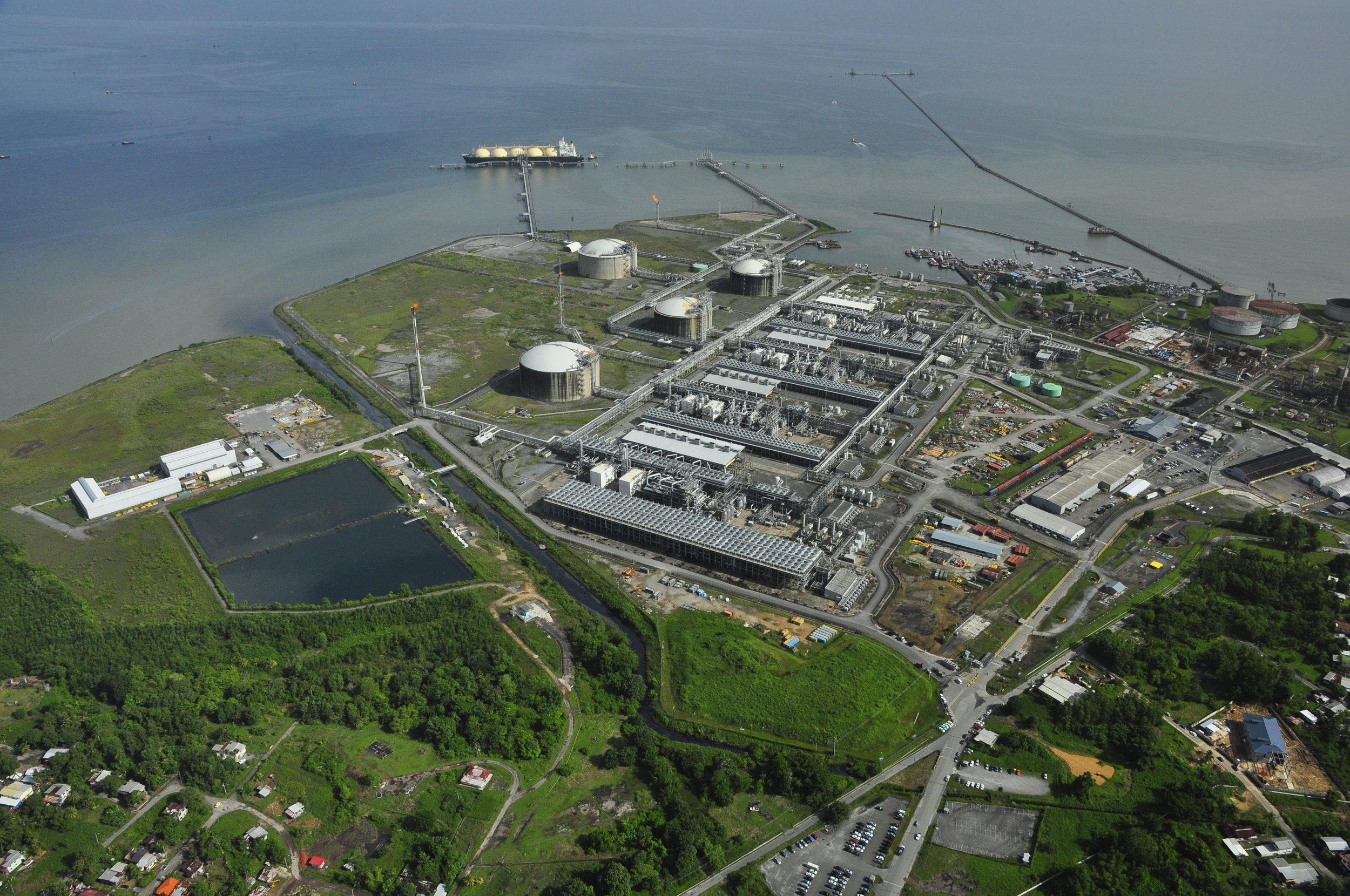
LNG exports are forecast to grow by 9% (1.3 Bcf/d) in 2026 and 11% (1.7 Bcf/d) in 2027. This growth stems from the ramp-up of three new facilities: Plaquemines LNG, Corpus Christi Stage 3, and Golden Pass LNG. While the latter is expected to begin operations in 2026, the former two will continue ramping up to full capacity throughout the forecast period.
Conversely, domestic consumption remains relatively flat. Decreased demand in the industrial, commercial, and residential sectors is largely offset by the electric power sector. Natural gas use for electricity generation is expected to rise steadily to meet load growth and balance intermittent renewables. Residential and commercial consumption is projected to fall 4% in 2026 to 22.1 Bcf/d, returning to “normal” levels following the colder-than-average winter months of 2025.
As demand outpaces supply, storage inventories are expected to slip below the rolling five-year average. This marks a shift from 2024 and 2025, when inventories remained robust, ending December 2025 at 1.7% above the five-year (2020–24) average. Because lower storage levels typically correspond with tighter market conditions, this drawdown is a primary driver of a higher price forecast for 2027.