

EnergyNow Issue 37
All stories
Viewing entries in
News
EnergyNow Issue 37
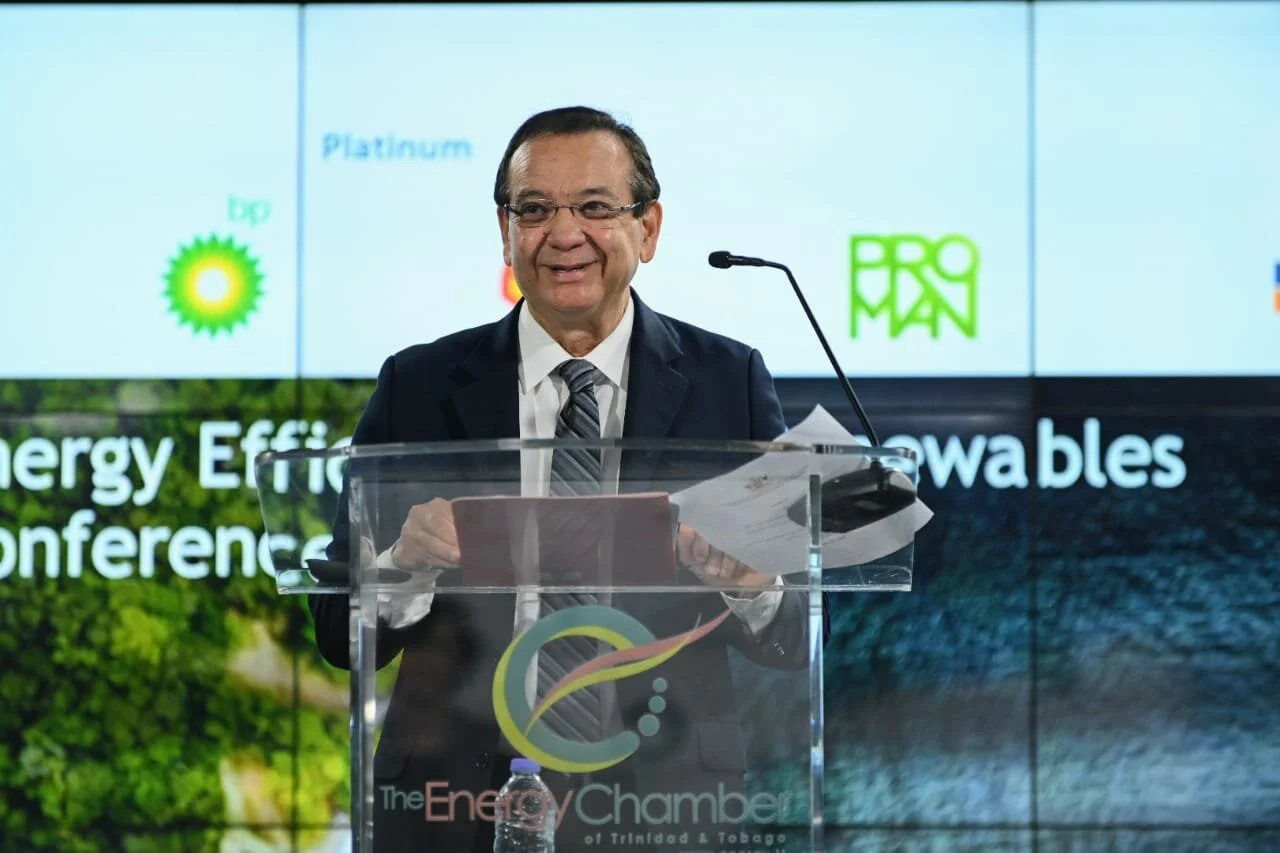
This conference is taking place in a very challenging time for all of us, in the midst of the world’s worst health crisis in over a century. I would like to start by acknowledging the pain and suffering that this pandemic has caused for many people, all around the world. I would also like to recognise first and foremost, the hard-working frontline health care workers whose experiences I think most of us would find impossible to truly understand. And to all other essential workers, including those in the Energy Sector for their commitment in keeping the lights on and the economy going, albeit at a reduced pace. We thank each and every one of you.
I am once again honoured to deliver the feature address at the Trinidad and Tobago Energy Chamber’s annual Energy Conference. I must express my congratulations to the Energy Chamber for adapting to the current situation so well over the past year, and for persevering to bring us all together for yet another year of healthy discourse on the energy sector, in a safe way. Allow me to extend a warm and special welcome to my CARICOM colleagues, the Honourable Andrew Holness, Prime Minister of Jamaica and President Irfan Ali of Guyana, as we discuss the Caribbean’s energy transition.
I am pleased to participate in this year’s Energy Chamber Conference as the Minister of Energy and Energy Industries at an exciting and pivotal time not only in Trinidad and Tobago’s energy history but at a time when the global energy sector is rapidly evolving, literally, before our eyes.
Over the past few months, there has been a lot of commentary in Trinidad and Tobago questioning whether or not the country’s energy industry has a future. The spectacular rise of the oil industry in Guyana and the exploration success in Suriname has shifted the centre of gravity for Caribbean hydrocarbons south-east, while the climate change and the urgent need to decarbonise the global economy has people worried if hydrocarbons have much of a future at all.
The National Gas Company of Trinidad and Tobago Limited (NGC) recently signed two contracts with downstream petrochemical plants. Over the past year, several natural gas contracts expired and negotiations were initiated to renew the contracts to ensure the natural gas supply to those petrochemical facilities.
EnergyNow Issue 36
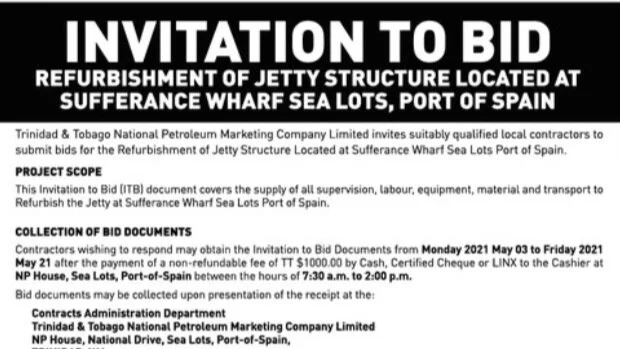
Invitation to Bid: NP Refurbishment of Jetty Infrastructure
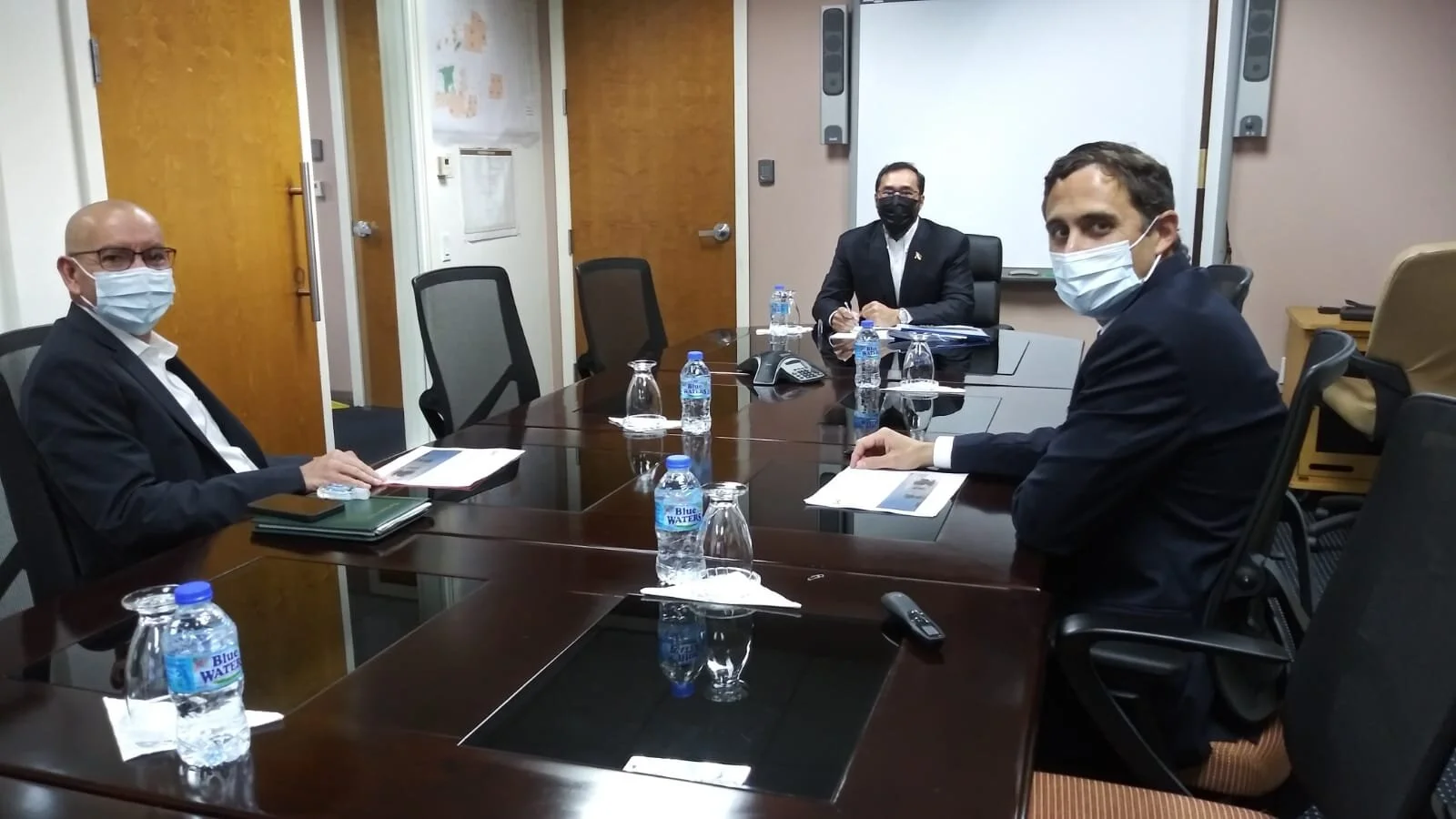
The Minister of Energy and Energy Industries and Minister in the Office of the Prime Minister, the Honourable Stuart R. Young, M.P., held a meeting with BHP Executives, Vincent Pereira outgoing Country Manager, and Michael Stone, incoming Country Manager today (Tuesday 4th May 2021) to discuss BHP’s operations in Trinidad and Tobago, including the on-going transition from Mr. Pereira to Mr. Stone at the helm of BHP’s Trinidad and Tobago operations.
The Energy Chamber of Trinidad & Tobago has noted the alarming rise in COVID-19 cases and the potential of the current case load to overwhelm the parallel healthcare system. We urge all of our members to take the current situation very seriously and to ensure that all workplace measures to prevent the spread of COVID-19 are fully implemented and that their employees and contractors fully comply with all Ministry of Health guidelines and all relevant COVID-19 protocols. Member companies are also asked to ensure that all their employees are fully informed of the utmost importance of complying with any site or facility specific COVID- 19 protocols.
The National Gas Company of Trinidad and Tobago Limited (NGC) and Proman Trinidad announce the resumption of an interim gas supply arrangement which would facilitate an immediate restart of MHTL’s M4 and M5000 methanol plants. This interim agreement was put in place while the commercial terms of a long-term gas supply contract are being finalized between the two parties.
According to the company the contract will be delivered from ASCO Trinidad’s Chaguaramas bases.
bp today announced gas production from Raven field, the third stage of its major West Nile Delta (WND) development off the Mediterranean coast in Egypt.
The Energy Chamber of Trinidad & Tobago is aware of recent reports of cases of Covid-19 in upstream energy industry facilities. The energy industry provides essential services and throughout the pandemic we have been working to keep the industry up and running twenty-four hours a day, seven days a week. As all our electricity comes from natural gas, the energy industry keeps the light on for Trinidad & Tobago.
BHP announced that the Ruby project in Trinidad and Tobago is progressing ahead of schedule and on budget, with first production on track for May 2021
The Energy Chamber of Trinidad & Tobago congratulates the Honourable Stuart Young on his appointment as Minister of Energy and Energy Industries. Minister Young has been deeply involved in the restructuring of the gas value chain over the past six years and has been central to many of the negotiations with the international operating companies in the sector. The Energy Chamber looks forward to continuing to work closely with Minister Young in his new portfolio, on both this issue and other critical issues for the energy industry.
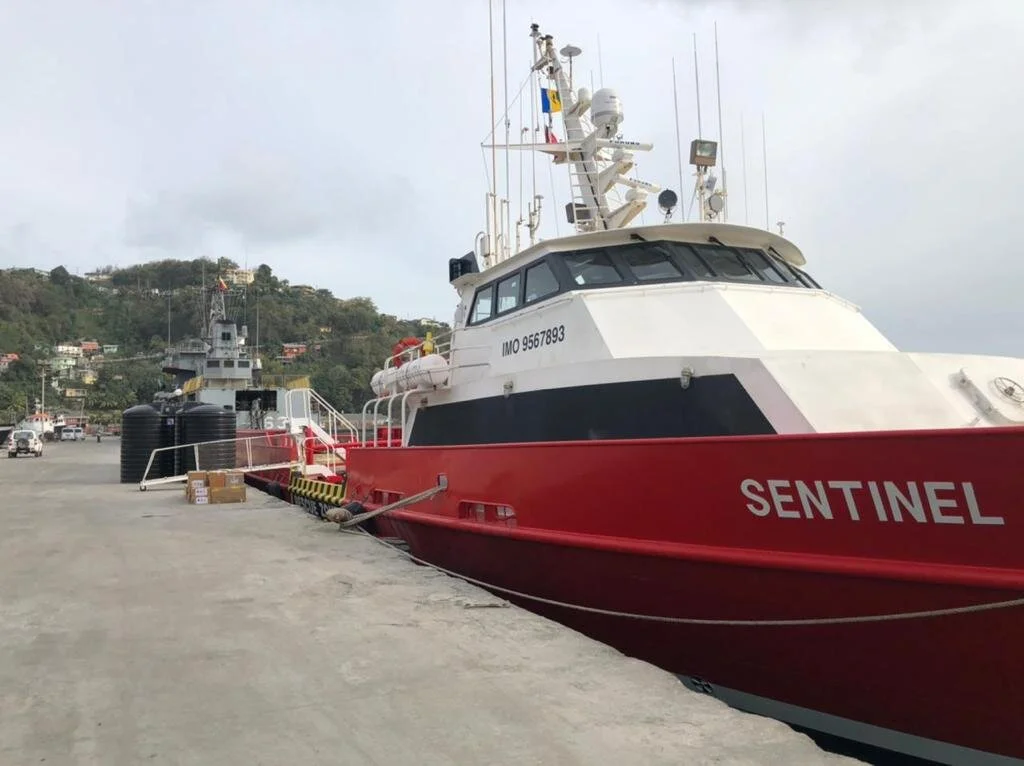
The SVG relief mission is a collaborative effort by private sector NGO's of T&T, spearheaded by the Energy Chamber of Trinidad and Tobago. As the situation in our neighboring island unfolded, the direst need for a water supply to the island was identified. An immediate dialog was initiated by the Energy Chamber of T&T and major oil and gas operators willingly came on board. They in turn sanctioned the assistance of their supply partners.
The members, Board and staff of the Energy Chamber of Trinidad and Tobago extend our deepest condolences to the family of Senator the Honourable Franklin Khan.
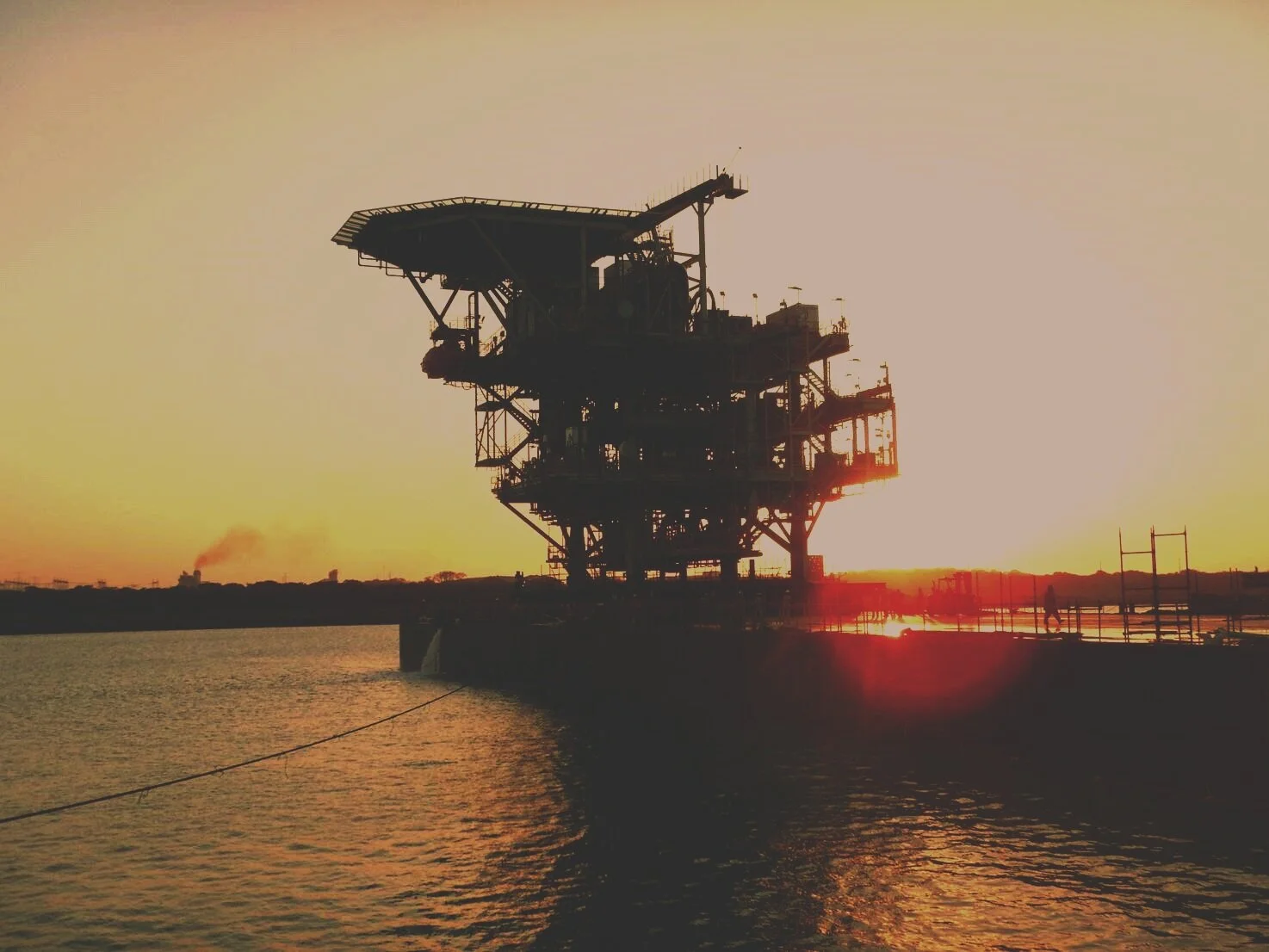
bp indicated that their teams have returned to the Cassia C Platform construction yard in Altamira, Mexico, as it’s now safe under COVID-19 guidelines.
The company via LinkedIn said that the Cassia Platform is one of their biggest new projects in Trinidad and their first offshore compression facility. They added “The Cassia Platform plays an important part in our gas supply contract commitments. Construction is progressing well and continues without a lost time incident in over 4.5 million work hours.”
The project enables bp to access low pressure gas resources from over 30 wells across 7 fields in the Cassia hub, and is forecast to start up in 2022.
According to bp, the project was sanctioned in 2018. It will involve the construction of a new platform, Cassia C, BPTT’s 16th offshore facility. McDermott International is the engineering, procurement and construction (EPC) provider for the project. The topside and bridge are being fabricated in Altamira, Mexico. The jacket and bridge landing frame are being fabricated at TOFCO, Trinidad and Tobago.
Gas production from the Greater Cassia Area will be routed to Cassia C for compression before being exported via the adjacent existing Cassia B platform. Cassia C will be located 57 kilometres off the south-east coast of Trinidad. The platform will have a throughput capacity of 1.2 billion standard cubic feet of gas a day (bcfd).
Photo credit: bp.com
The Energy Chamber is the sole provider of assessments for the PLEA 10 hour basic health and safety training course – often called the PLEA Pass or Passport. This pass allows individuals to be certified as to having basic understanding of safety requirements to work on one of the PLEA member company facilities.
On average over the last 10 years the Energy Chamber sees about 15,000 candidates annually. In 2020 however due to the slowdown in activity at the Pt Lisa estate 9,476 candidates sought the PLEA Pass.