
Argentina LNG has applied to join the country’s large-investment incentive programme for a US$51 billion project aimed at turning Vaca Muerta gas into a new source of LNG exports.
State-controlled YPF said the application was submitted on August 13 under Argentina’s Incentive Regime for Large Investments, known as RIGI. The integrated project is being developed with Italy’s Eni and Abu Dhabi-based energy investment company XRG.
The investment plan calls for about US$29 billion to be spent by the time the project starts operations in 2031. YPF expects the development to generate around US$10 billion a year in LNG export revenue over a 20-year period.
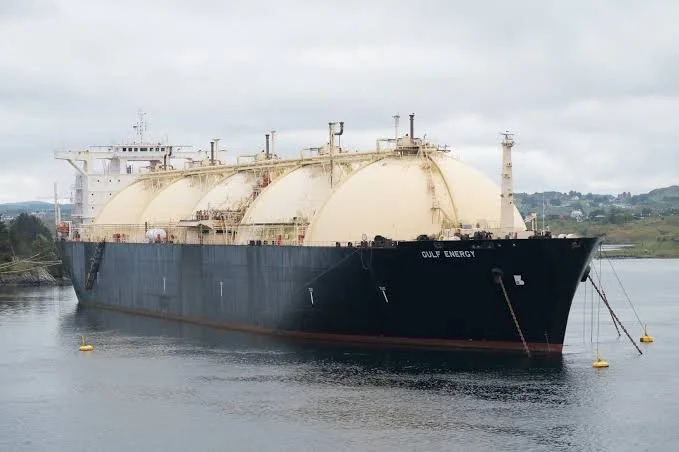
Argentina LNG is designed around 12 million tonnes per year of liquefaction capacity using two floating LNG units of 6 million tonnes each offshore Río Negro province.
Gas will be supplied from the Vaca Muerta shale formation in Neuquén and transported to the coast for processing and liquefaction. The development also includes upstream production, gas processing and transportation infrastructure.
YPF, Eni and XRG signed a binding joint development agreement in February to advance the project and begin front-end engineering design and related commercial and financing work.
The partners have since moved further into the upstream portion of the development. In June, Eni and XRG each signed agreements to acquire a 32% interest in the Meseta Buena Esperanza, Aguada Villanueva and Las Tacanas blocks in Vaca Muerta. YPF would retain 36% and continue to operate the acreage. The transactions remain subject to regulatory approvals.
Gas from those blocks is expected to form part of the supply base for the LNG facilities.
The RIGI application adds another regulatory step as Argentina seeks to expand energy exports from Vaca Muerta. The incentive regime was introduced to support large investments in sectors including oil and gas, infrastructure, mining and energy.
Argentina has already approved RIGI applications covering other energy infrastructure connected to rising Vaca Muerta production, including gas and oil pipeline projects.
Vaca Muerta has become central to Argentina’s plans to increase hydrocarbon exports. Development of its large unconventional gas resources has also supported plans for new pipelines and liquefaction facilities capable of reaching international markets.
If completed as planned, the YPF-Eni-XRG project would establish 12 million tonnes per year of new LNG export capacity from Argentina from the beginning of the next decade.