
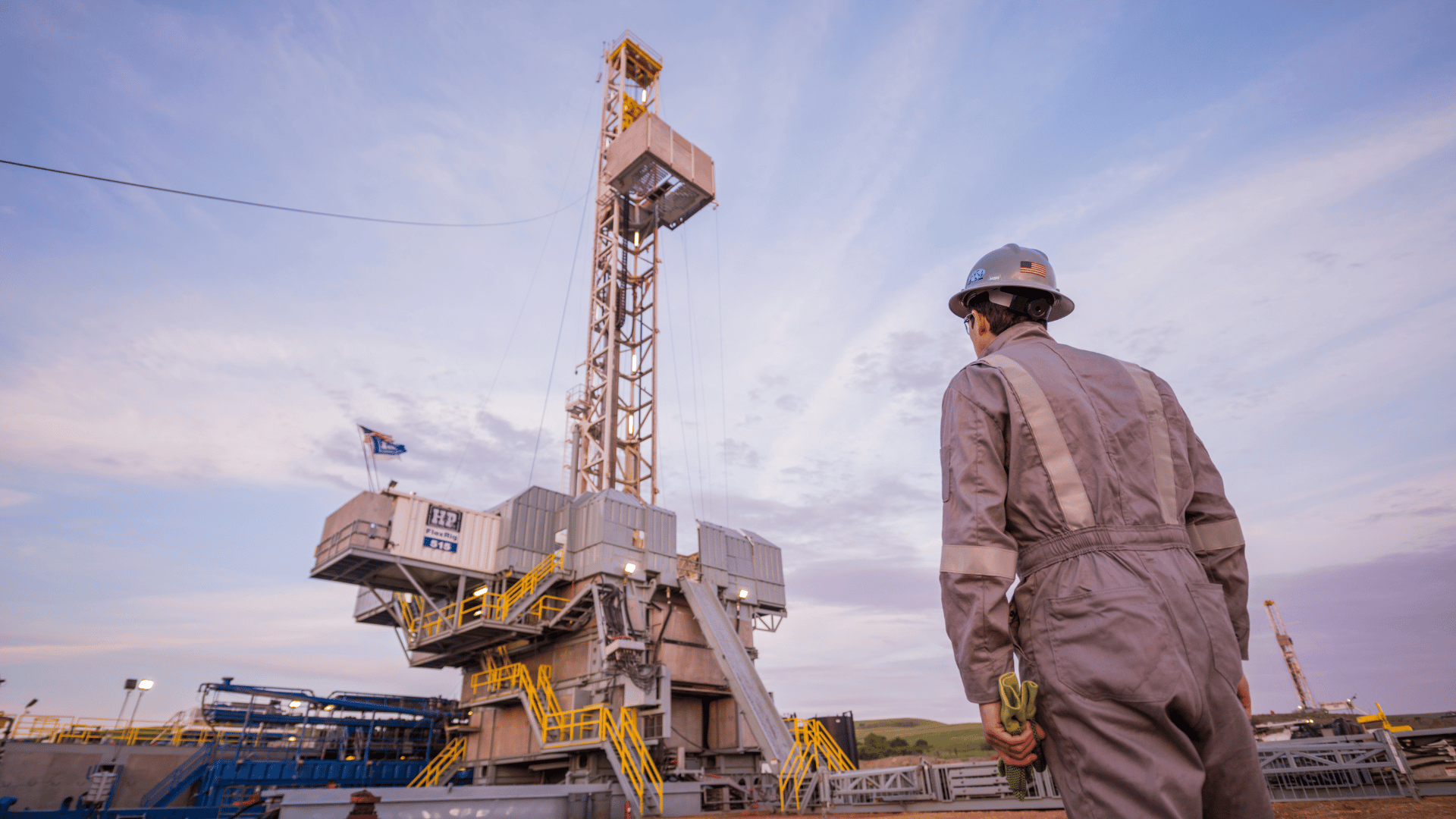
ExxonMobil plans to convert half of its Permian Basin drilling rig fleet to automated operation by 2028, part of a broader push to use robotics to improve drilling efficiency and lift production from the basin.
The company currently runs more than 30 rigs in the Permian, two of which use robotic equipment, Bart Cahir, ExxonMobil's senior vice president of unconventionals, told Reuters. ExxonMobil intends to raise that share to roughly a quarter of the fleet in 2027 before reaching 50% the following year.
On the automated rigs, robotic arms position and connect sections of drill pipe, work that has traditionally required crews on the rig floor, close to heavy equipment and pressurized systems. Cahir said moving workers off the rig floor also frees them to focus on planning the next stage of an operation rather than the mechanics of the current one. Historically, he told Reuters, about a third of significant injuries tied to well drilling have occurred on the rig floor.
ExxonMobil installed its first automated rig in the Permian in 2025, supplied by drilling contractor Helmerich & Payne. That rig drilled a horizontal section of roughly two miles in just over six days, the third-fastest drilling time in ExxonMobil's history, Reuters reported.
Automation is one piece of a larger effort to lift recovery from ExxonMobil's Permian acreage. The company is developing more than 40 technologies it says could double how much oil it recovers from the basin, addressing a recovery rate that across the shale industry typically runs around 10%. ExxonMobil's latest corporate plan targets Permian production of approximately 2.5 million oil-equivalent barrels per day by 2030, roughly double the basin's 2024 output, the company said when it raised the target in December 2025.
The Permian averaged a record 1.6 million oil-equivalent barrels per day in 2025, ExxonMobil said in its full-year results, with the fourth quarter alone reaching a quarterly record of 1.8 million oil-equivalent barrels per day.
ExxonMobil substantially expanded its Permian position through its 2024 acquisition of Pioneer Natural Resources, a deal that gave the combined company more than 1.4 million net acres across the Delaware and Midland basins. ExxonMobil has said technology gains, efficiencies from integrating Pioneer, and its scale in the basin should support further production growth through the end of the decade.