
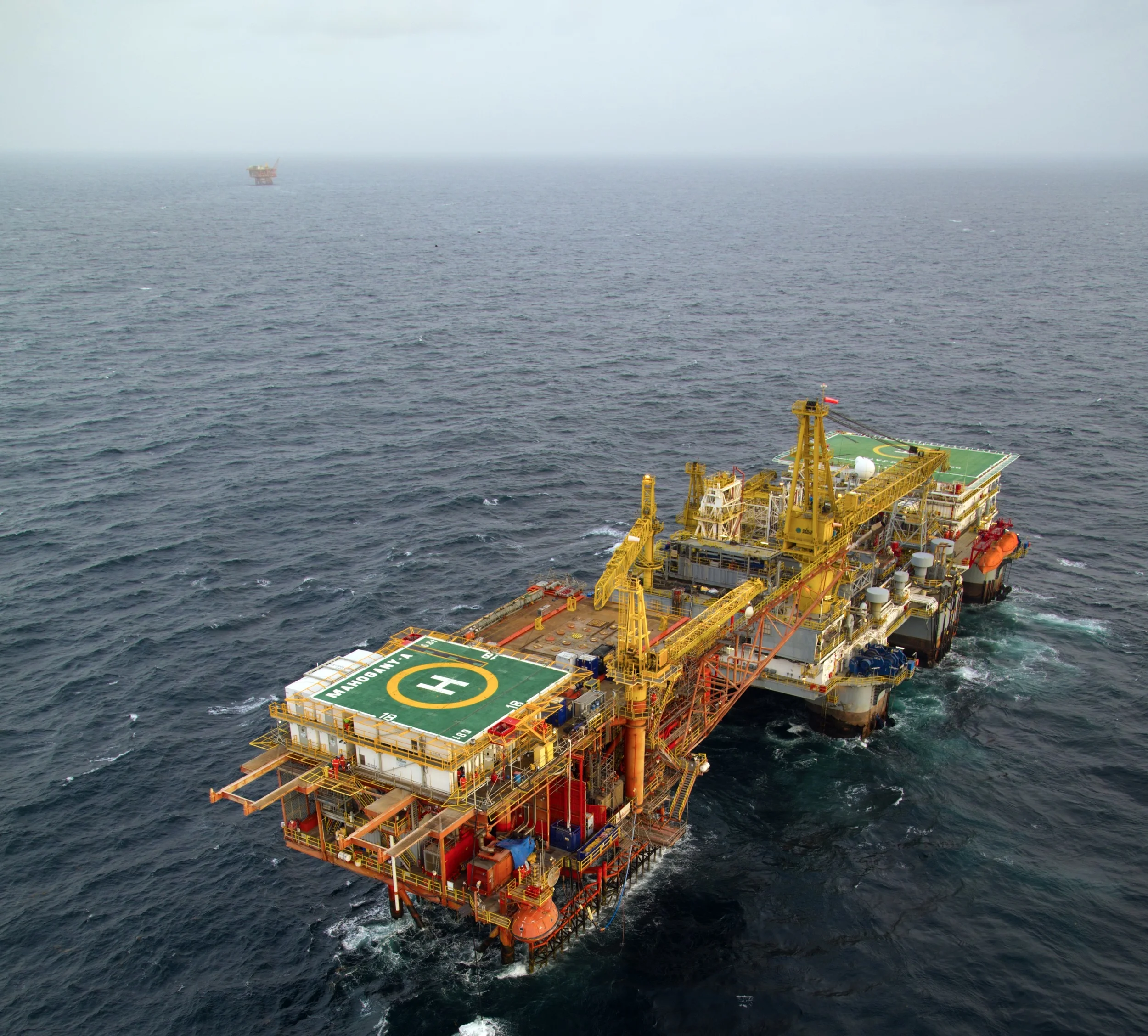
Trinidad and Tobago's energy industry is not about to expire, insists the country's leading energy producer, bpTT.
All stories
Trinidad and Tobago's energy industry is not about to expire, insists the country's leading energy producer, bpTT.
La Brea-based, local energy service company, Perfection Services Ltd (PSL), has recently been accredited by the United Kingdom Accreditation Service (UKAS) as an inspection body, and has acquired the ISO 17020 Certification for Inspection.
The Paris climate pledges submitted through the system of Intended Nationally Determined Contribution (INDC) action plans aim for global decarbonisation. The Trinidad & Tobago pledge includes the concept of a Caribbean Carbon Market (CCM) hosted by the Energy Chamber of Trinidad & Tobago. The market plan has been vetted by Bloomberg New Energy Finance and was showcased at its 2015 summit in New York City.
In addition to the real and perceived negative socio-economic effects of low oil and gas prices and record low production levels, in Trinidad and Tobago (where God is alleged to have been born/naturalised), weak macroeconomic statistics have given rise to public disagreement on whether the economy is in a recession.
Since the announcement in early December by the Governor of the Central Bank that Trinidad and Tobago has experienced its fourth consecutive quarter of negative economic growth, the “R” word is becoming more commonplace in conversations – recession.
The state sector (defined as including any entity that requires taxpayers’ money to meet the cost of its core activities), is not immune to the current harsh realities facing the country. The foreseeable economic climate, should be forcing organisations to critically examine their business model, cost structure and the way they do business.
The 60th anniversary year for the Energy Chamber of Trinidad & Tobago is coinciding with what is likely to be a very challenging year for the global energy sector and the Trinidad & Tobago economy, primarily due to the very low commodity prices.
Investment levels in the Trinidad & Tobago upstream sector have remained at relatively high levels despite cuts, internationally, in capital expenditure due to low commodity prices. In December 2015, the Minister of Energy and Energy Industries, Nicole Olivierre, reported that investment was expected to be approximately US$3.0 billion in 2015 and in 2016.
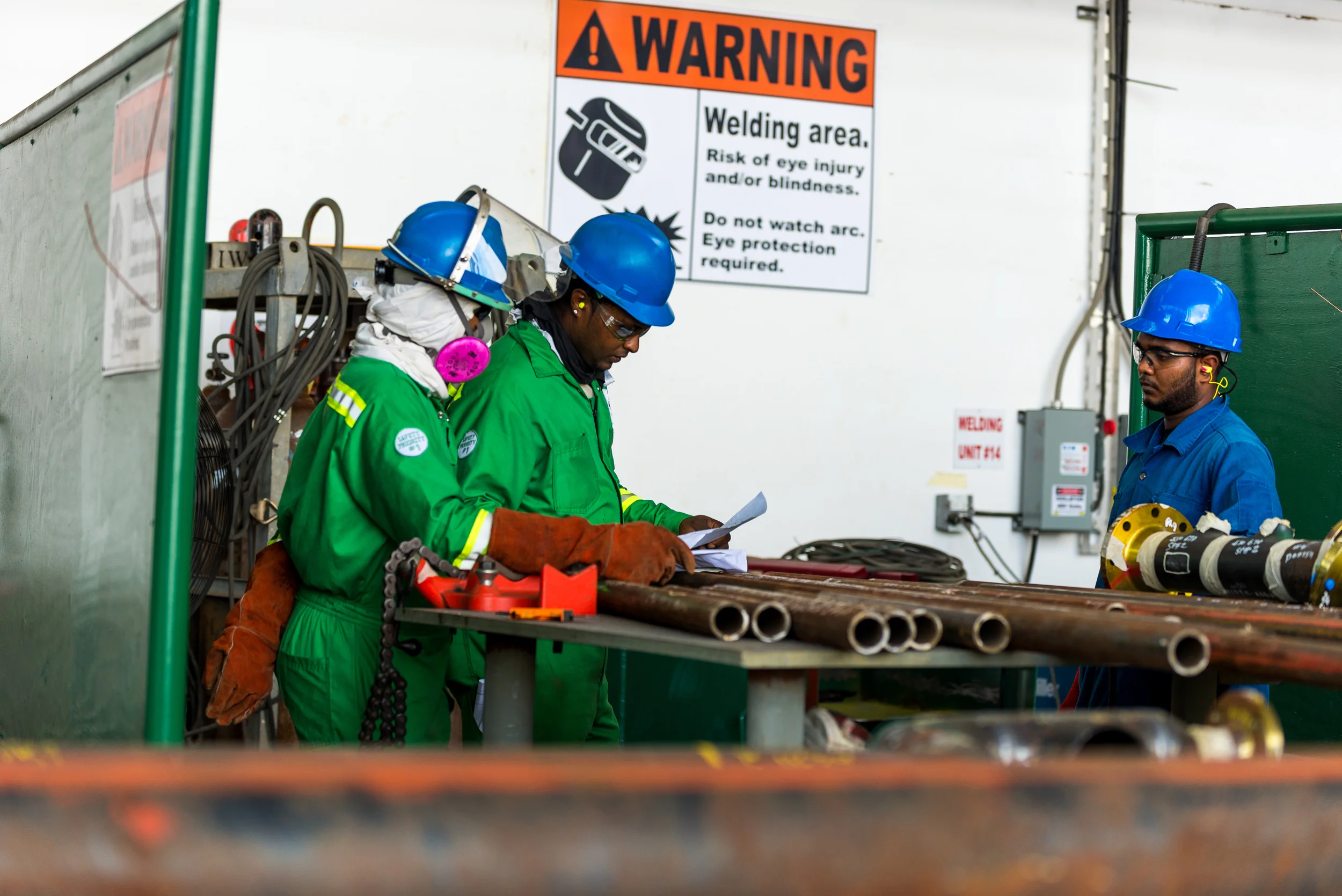
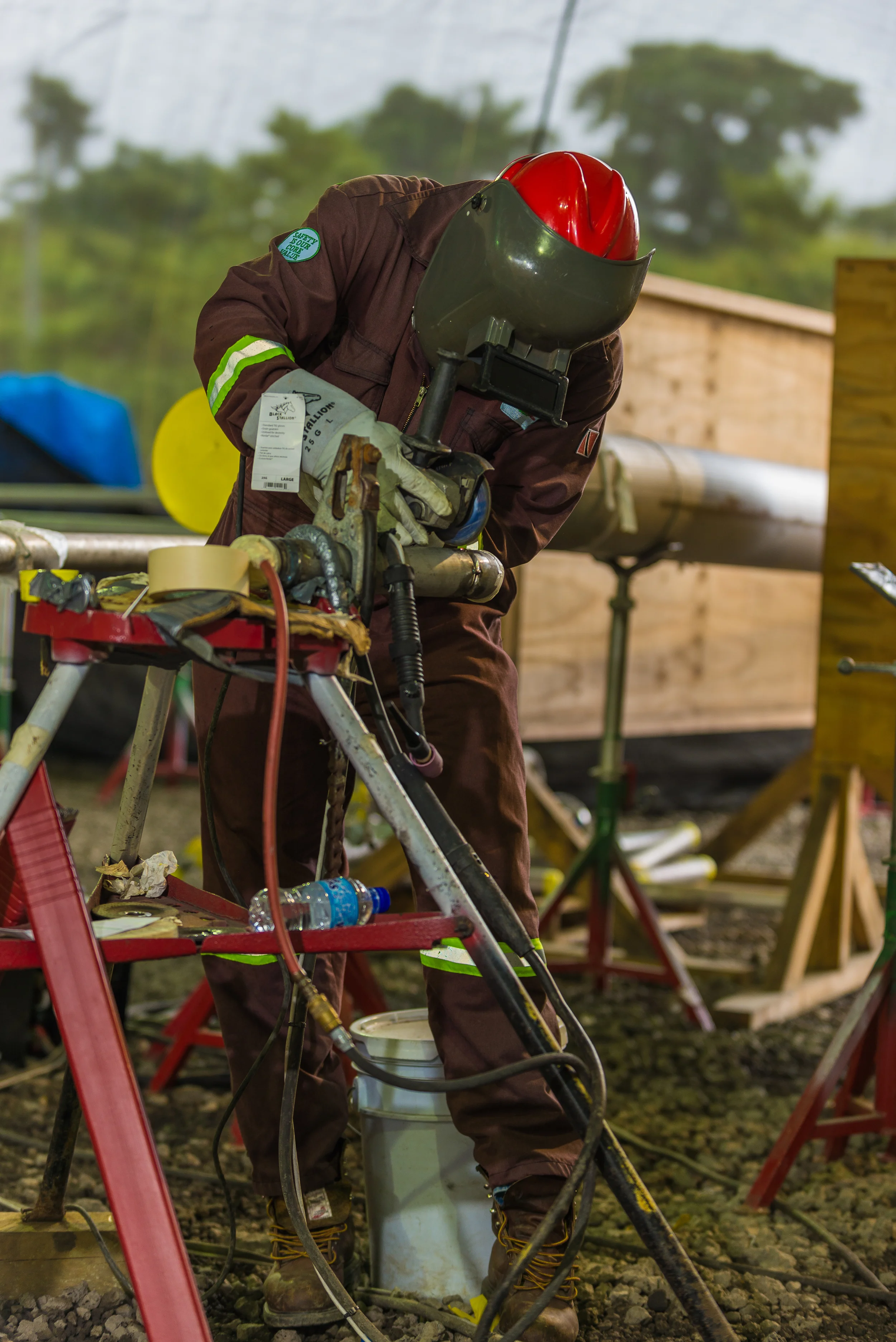
In December 2015, the Energy Chamber partnered with the National Energy Skills Centre (NESC) to assess and certify the skills of 350 experienced, but uncertified, workers in the energy sector. The initiative involves the certification of the workers against a customised standard for welders, pipefitters, and fabricators.
Apply sanctions to those oil and gas-producing companies in Trinidad and Tobago who vent carbon dioxide (CO2) emissions into the atmosphere, rather than sequestering it underground – that's the firm advice of the country's leading geologist, Dr. Krishna Persad.
Trinidad & Tobago’s upstream capital investment levels have been sustained through 2015, despite the slashing of capital investment budgets across the globe. Speaking in Parliament in December 2015, Nicole Olivierre, Trinidad & Tobago’s newly installed Minister of Energy, revealed that investment levels in 2016 were predicted to be in the US$3.0 billion range in 2016, a similar level of 2015. However, given the current market conditions there is no guarantee that investments will continue to flow in the volumes needed to increase gas production back to the level of demand in Trinidad & Tobago.
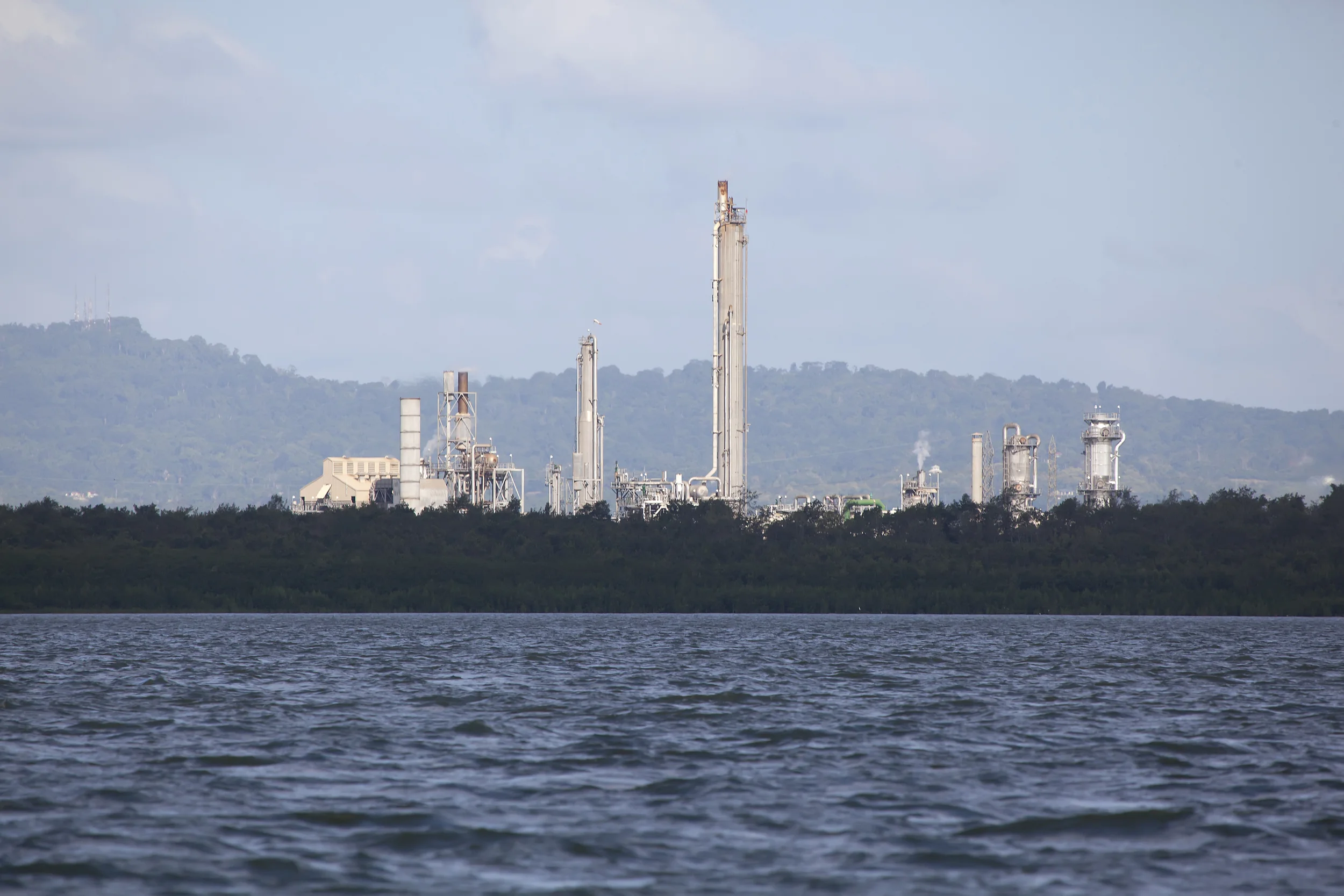
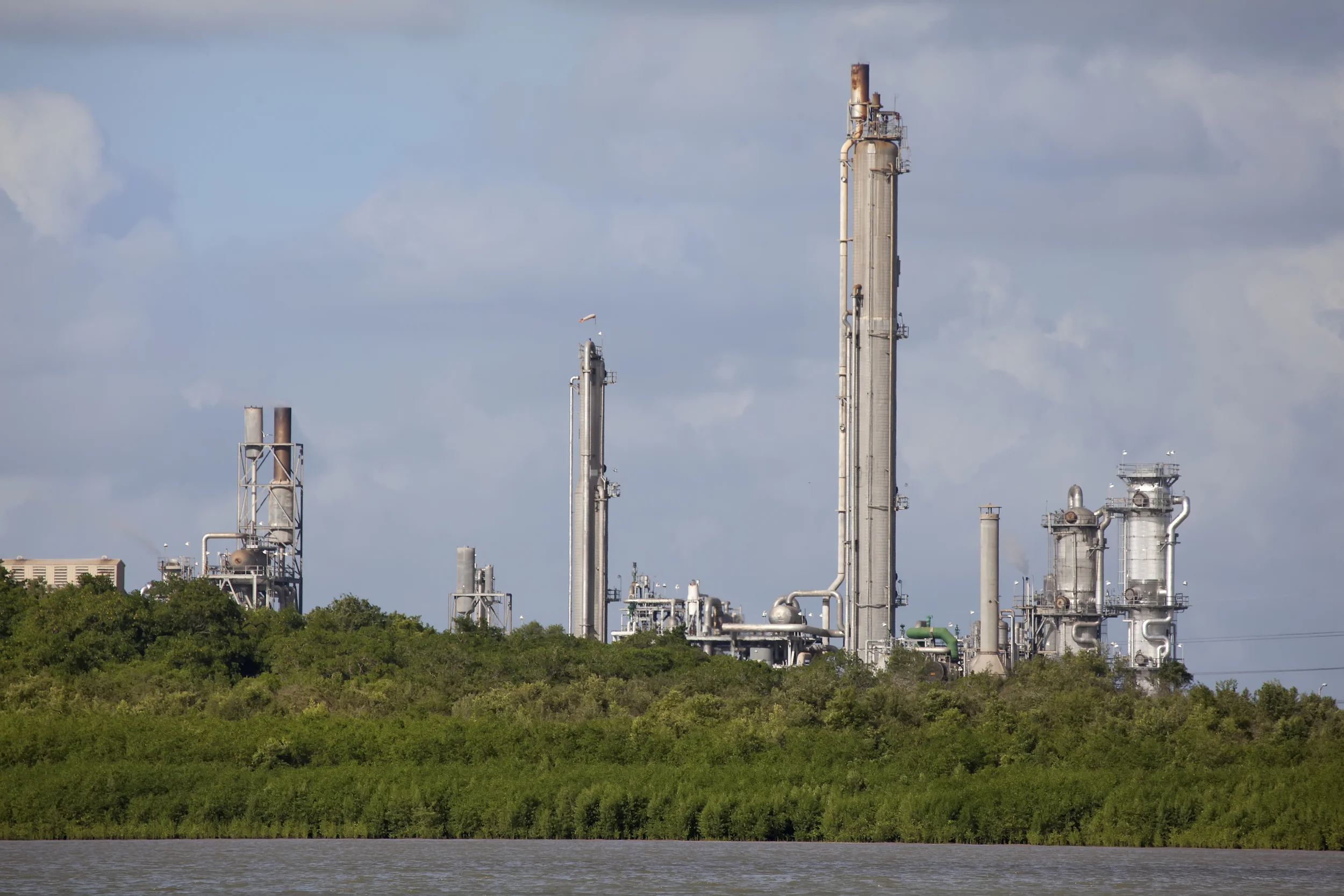
Trinidad and Tobago has been an iconic center for delivering hydrocarbons to the international market for several decades. Most recently it has been known for its production of LNG, Ammonia and Methane. Many of the challenges and concerns of late have been related to continuous gas supply, the increasingly competitive global market, and of course, low oil and gas commodity prices.
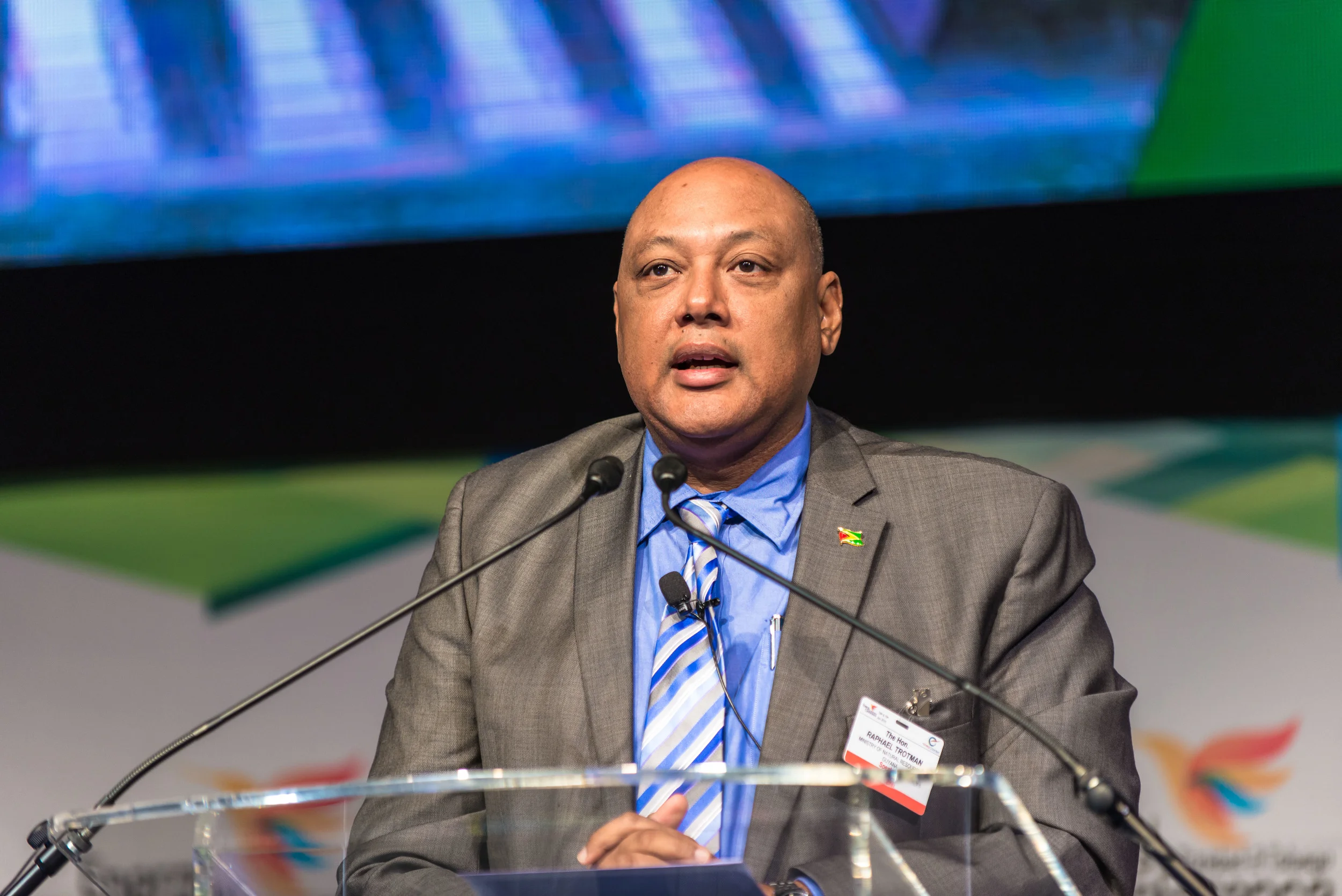
Earlier this year, the news came that Exxon Mobil had found oil offshore Guyana. It appears to be a major find. The news created a sense of euphoria among Guyanese. This discovery came during the tenure of the previous government and immediately, the then President Donald Ramotar arranged for a series of seminars to prepare the nation for the impact of an oil economy.
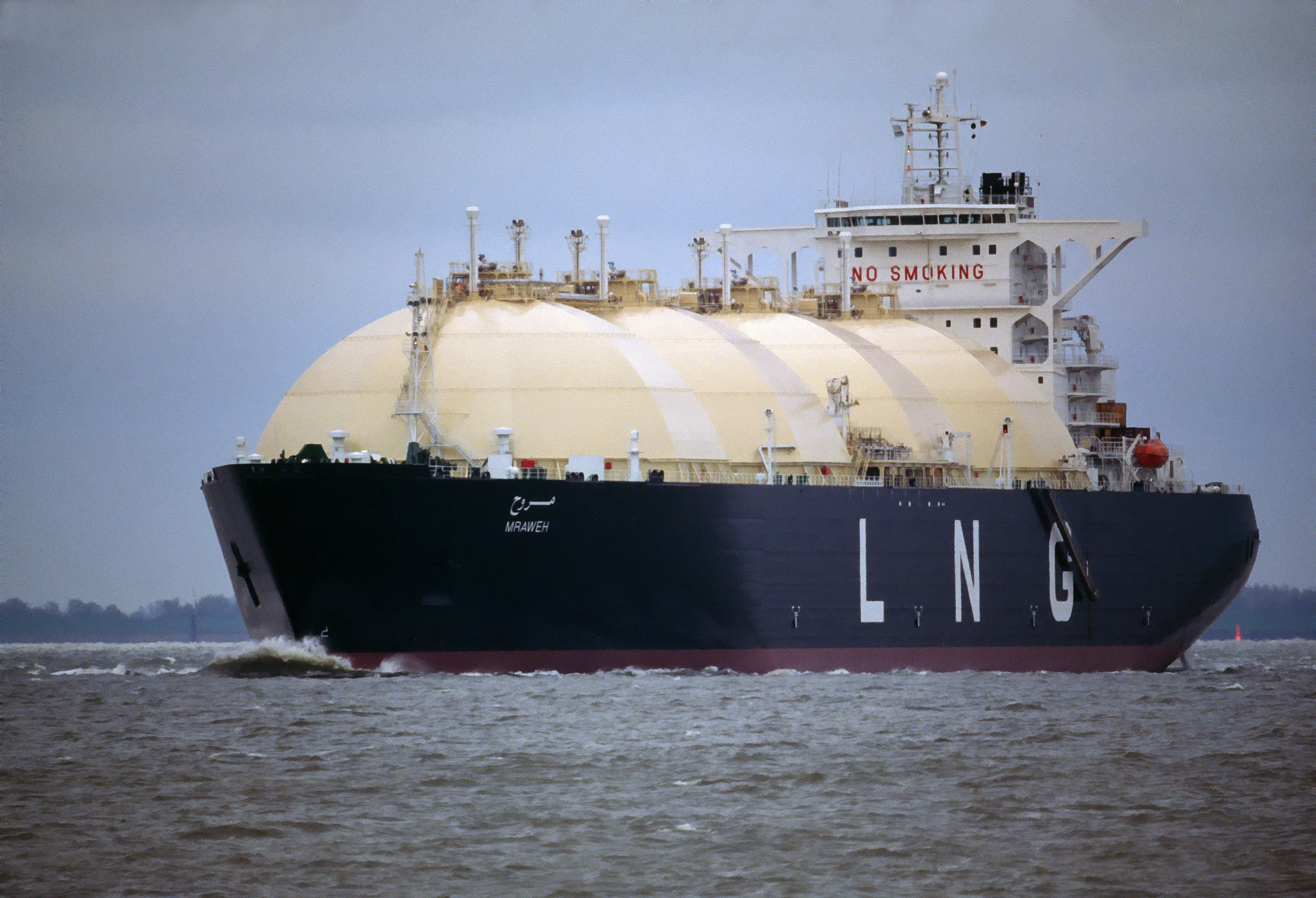
The likelihood of Trinidad and Tobago ever supplying liquefied natural gas (LNG) to Jamaica, as was mooted at one time, seems more and more remote and probably won't happen at all.
Is the “viability” of the all-important gas sector in Trinidad and Tobago being “threatened”?
Yes, says Poten and Partners, the UK consultants hired to prepare the Natural Gas Master Plan by the previous People's Partnership (PP) administration.
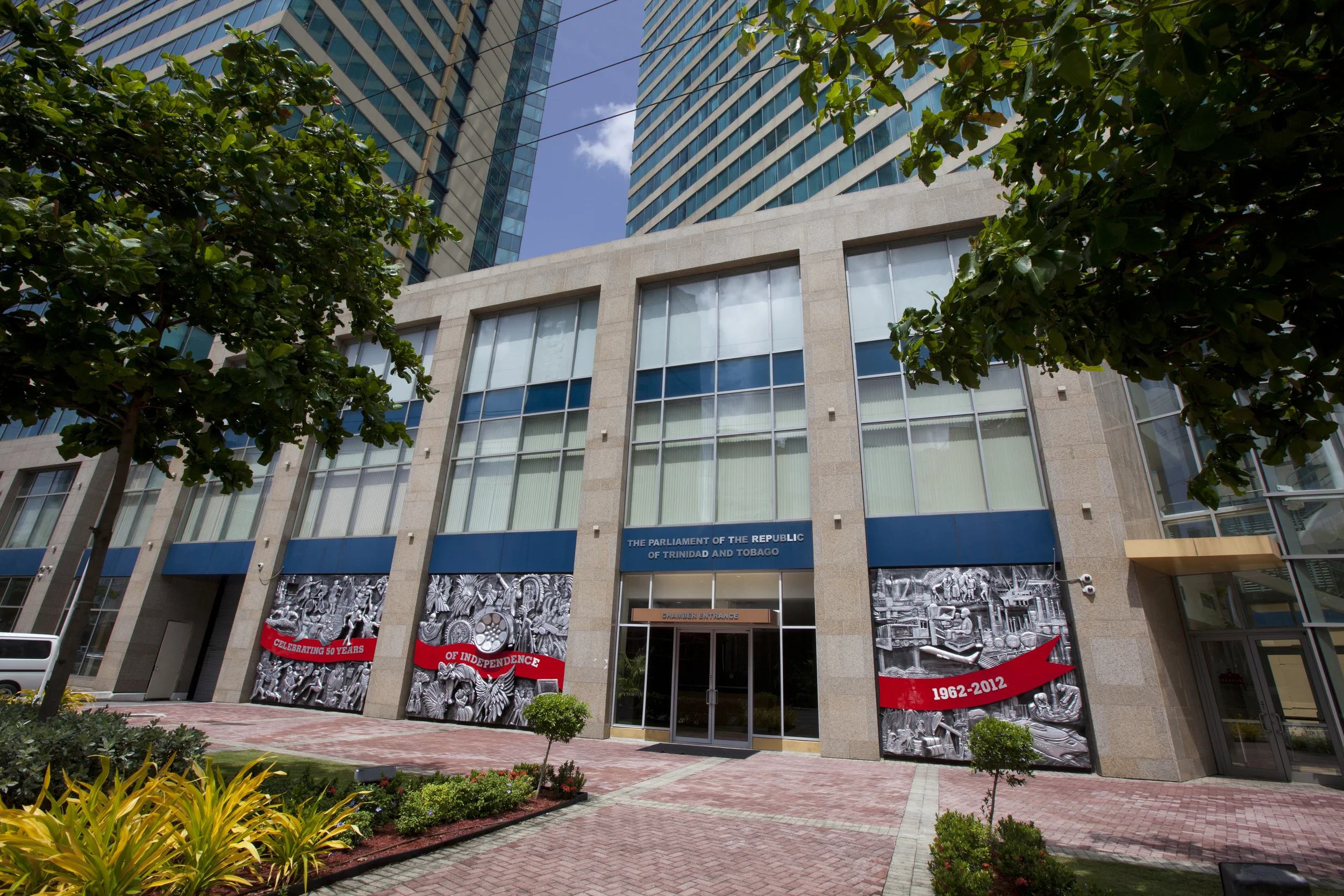
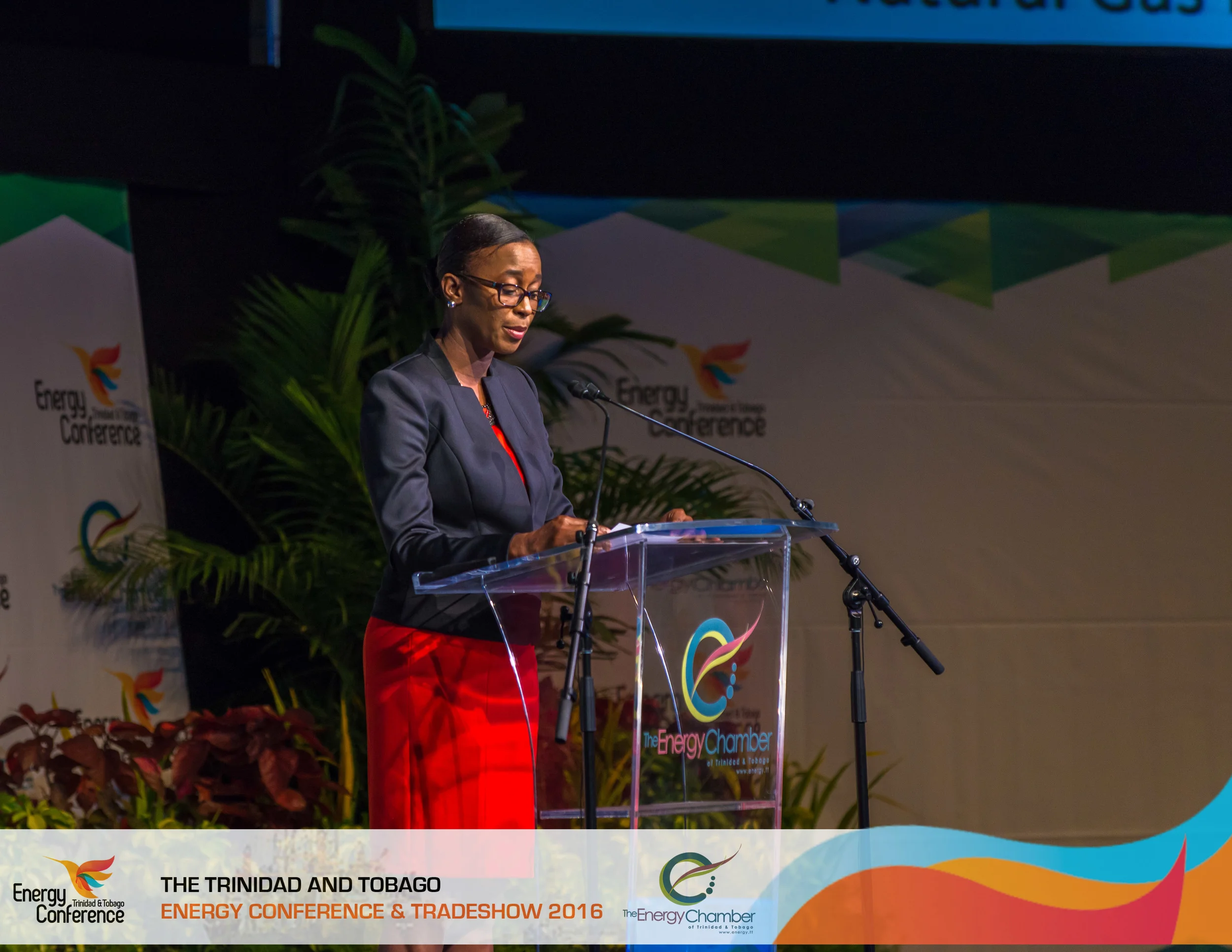
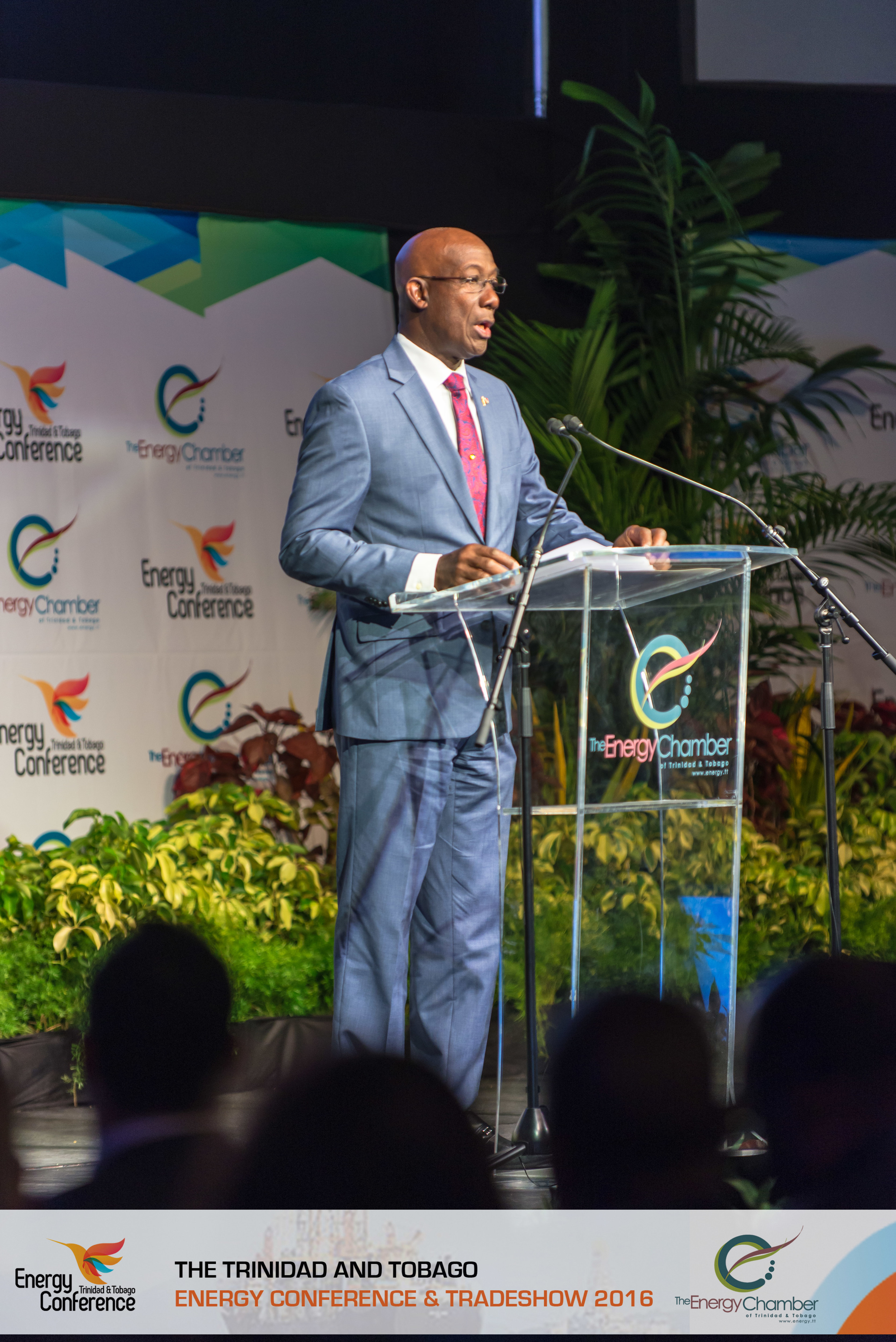
Speech delivered by The Hon. Nicole Olivierre, Minister of Energy and Energy Industries, Republic of Trinidad & Tobago. January 18th, 2016
Trinidad & Tobago’s upstream capital investment levels have been sustained through 2015, despite the slashing of capital investment budgets across the globe. Speaking in Parliament in December 2015, Nicole Olivierre, Trinidad & Tobago’s newly installed Minister of Energy, revealed that investment levels in 2016 were predicted to be in the US$3.0 billion range in 2016, a similar level of 2015.
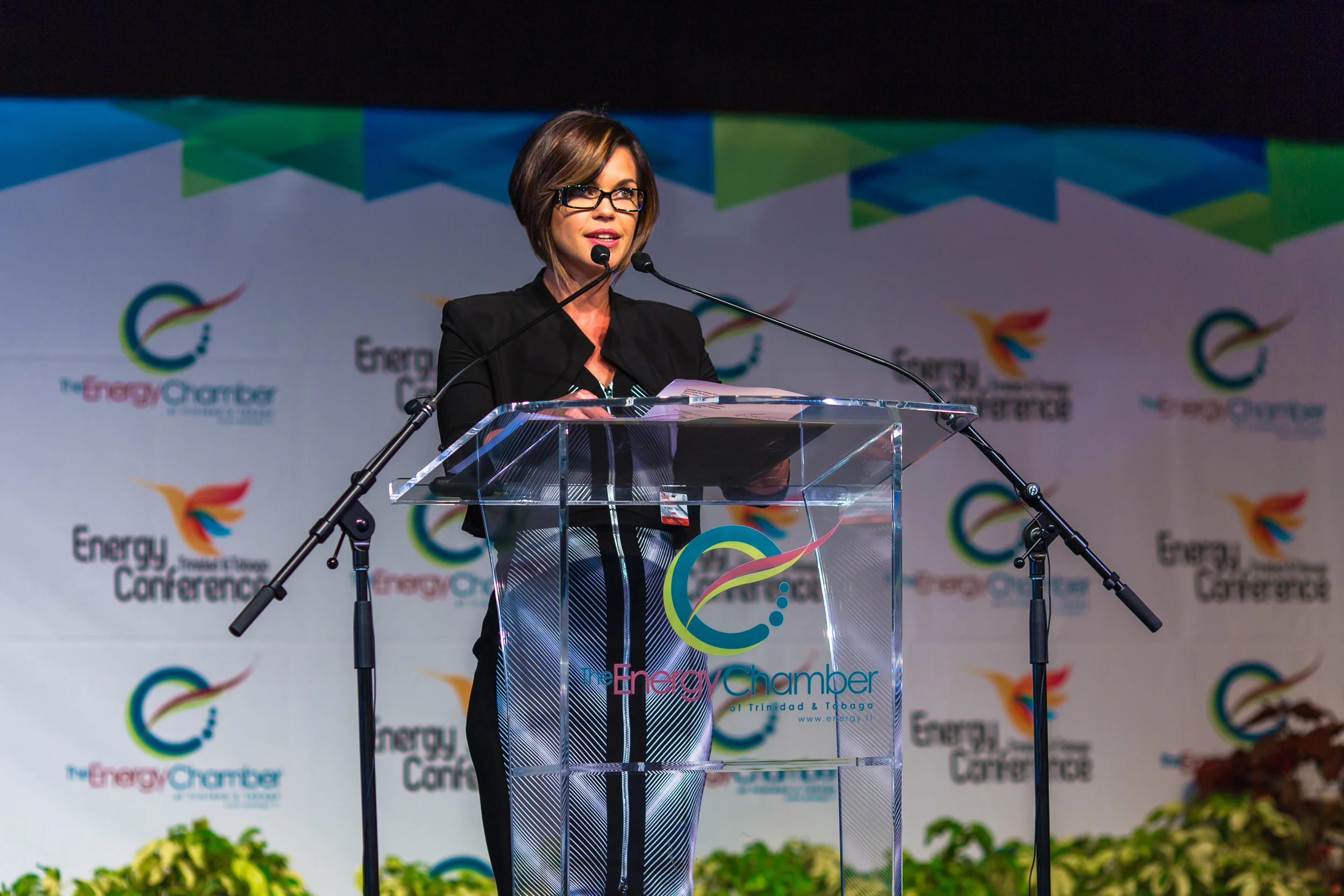
Speaking at the annual Trinidad & Tobago Energy Conference, Giselle Thompson, Vice President Corporate Operations, BP Trinidad and Tobago outlined details of the company’s impressive investment plans over the next few years.
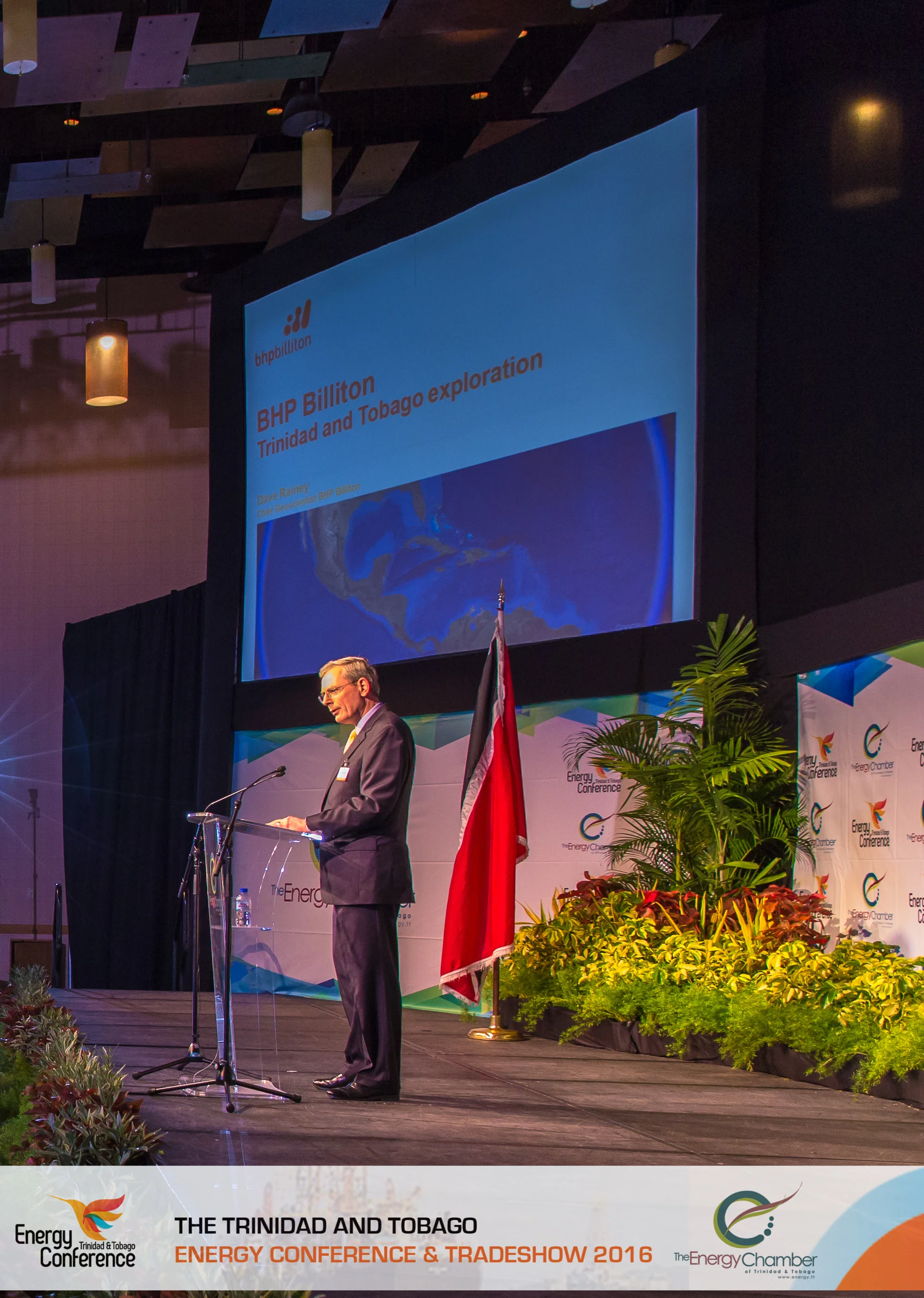
BHP Billiton will be drilling two wildcat prospects in their Trinidad & Tobago deep-water acreage in 2016, with the possibility of a third well depending on the outcome of the first two wells.
I am sure that a significant number of persons will agree with the view that as an oil producing country we are at a critical juncture in our existence. Whether this situation becomes a crisis or not depends on our approach to survival and managing our affairs.