
TC Energy has announced an agreement that will give five Indigenous First Nations in British Columbia an economic interest in an entity holding a limited partner interest in the Coastal GasLink natural gas pipeline, which supplies gas to Canada's LNG export industry.
In an October 13 release, TC Energy said the agreement was reached with FN CGL Pipeline Limited Partnership, an Indigenous-led investment entity representing the Haisla Nation, Halfway River First Nation, McLeod Lake Indian Band, Saulteau First Nations and West Moberly First Nations.
Under the agreement, the five communities will acquire an economic interest in an entity that holds TC Energy's limited partner interest in Coastal GasLink, rather than a disclosed direct ownership stake in the pipeline. The arrangement is expected to provide the participating First Nations with long-term financial returns.
The company did not disclose the value of the transaction or the size of the economic interest being acquired.
TC Energy said this is the first of two planned Indigenous investment transactions involving Coastal GasLink. A second agreement with additional First Nations is expected to close in the fourth quarter of 2026.
Engagement between TC Energy and Indigenous communities along the pipeline route has spanned over a decade. FN CGL Pipeline Limited Partnership was established by the participating Nations to pursue the investment opportunity.
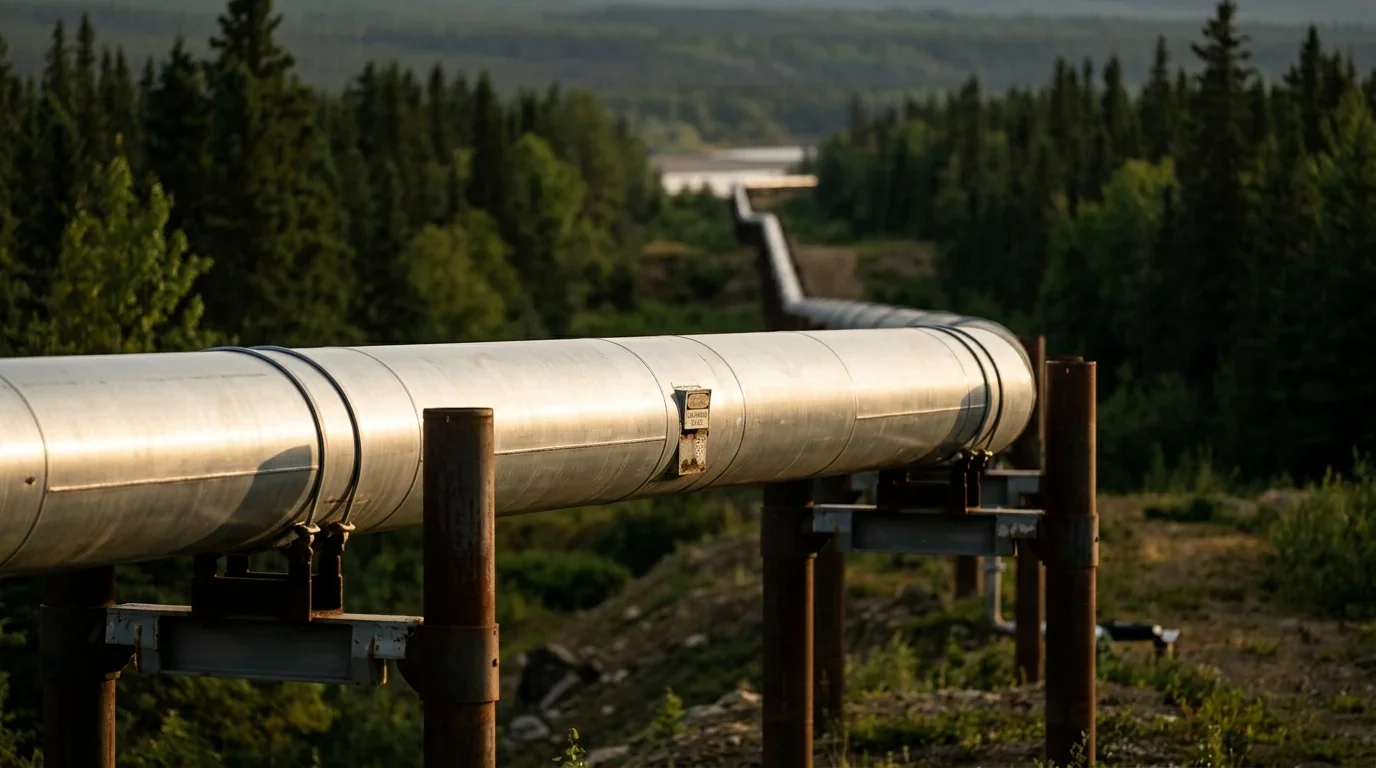
Coastal GasLink is a 670-kilometre natural gas pipeline connecting northeastern British Columbia to the LNG Canada export facility in Kitimat. Operated by TC Energy, the pipeline currently transports approximately 2.1 billion cubic feet of natural gas per day to the facility, where the gas is liquefied for export.
The agreement follows TC Energy's September announcement that Phase 2 of Coastal GasLink would proceed following a positive final investment decision by LNG Canada and its joint venture participants.
According to TC Energy, the expansion will nearly double the pipeline's transportation capacity through additional compression and upgrades along the existing route. Construction is expected to begin in early 2027, with commissioning anticipated in the early 2030s.